
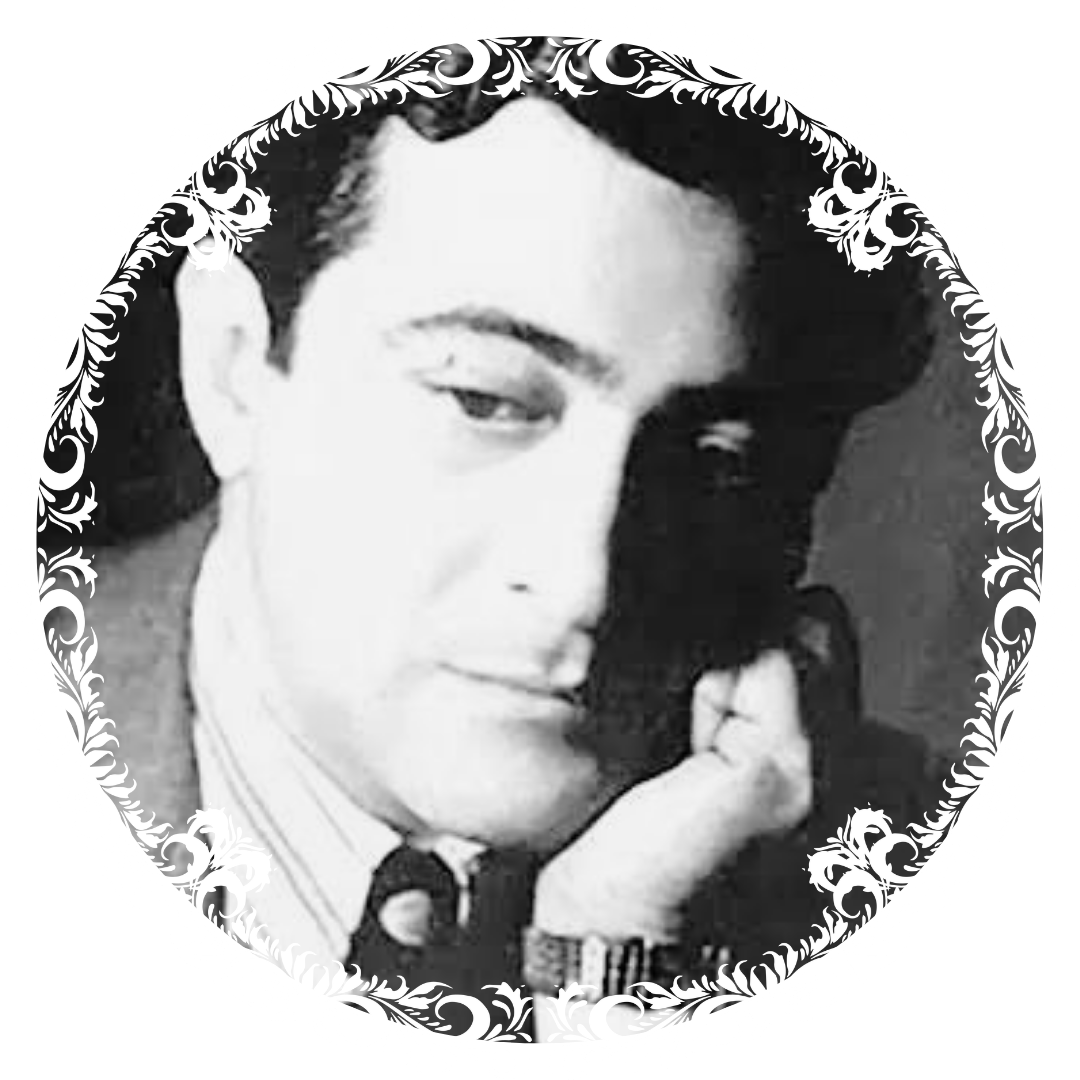
Fuente del retrato
En horizontal ves el original y la traducción.
Elegí tu idioma.
Cadenas.
Original en español · Traducción en English.
ORIGINAL · ESPAÑOL · 01
TRADUCCIÓN · ENGLISH · 01
ORIGINAL · ESPAÑOL · 02
TRADUCCIÓN · ENGLISH · 02
ORIGINAL · ESPAÑOL · 03
TRADUCCIÓN · ENGLISH · 03
ORIGINAL · ESPAÑOL
Maula y ruin Maula califica a una persona cobarde y despreciable; ruin insiste en la degradación moral. El personaje comienza comparándose con la persona a quien acusa. «Lejos de Dios, lejos de mí» expresa una pérdida de referencias y de identidad.
El niño y el pantano La mano que debería guiar o proteger conduce al hundimiento. El pantano convierte la relación en un espacio del que cuesta salir. La letra habla desde una voz herida: sus acusaciones pertenecen al personaje, no a un relato imparcial.
Las cadenas invisibles El título no necesita cadenas materiales: la mirada y el corazón mantienen al personaje ligado a quien responsabiliza por su ruina. La madre sufre y quiere apartarlo, pero no puede romper ese vínculo. El amor se representa como dependencia y pérdida de voluntad.
Mordiendo tu amor La imagen mezcla deseo y daño. Sangre, horror y violencia llevan la expresión al extremo; el balazo y el corazón arrancado muestran la desesperación de la voz. El cierre contrapone vivir y morir para decir que ya no soporta esa vida.
ENGLISH
Maula and ruin Maula describes someone cowardly and contemptible; ruin reinforces moral degradation. The character begins by comparing himself with the person he accuses. “Far from God, far from myself” expresses a loss of guiding values and identity.
The child and the swamp The hand that should guide or protect leads instead to sinking. The swamp turns the relationship into a place that is hard to escape. The lyrics speak through a wounded voice: its accusations belong to the character, rather than an impartial account.
Invisible chains The title needs no material chains: the gaze and the heart keep the character bound to the person he blames for his ruin. His mother suffers and wants to draw him away, but cannot break the bond. Love is represented as dependence and a loss of will.
Gnawing at your love The image mixes desire and harm. Blood, horror and violence push the expression to extremes; the bullet and the torn-out heart convey the speaker’s desperation. The ending sets living against dying to say that he can no longer bear this life.
Edición, traducciones y notas culturales: Fórmula Tango — Lucila Cionci & Rodrigo “Joe” Corbata.
RECIBÍ LOS NUEVOS RECURSOS →