
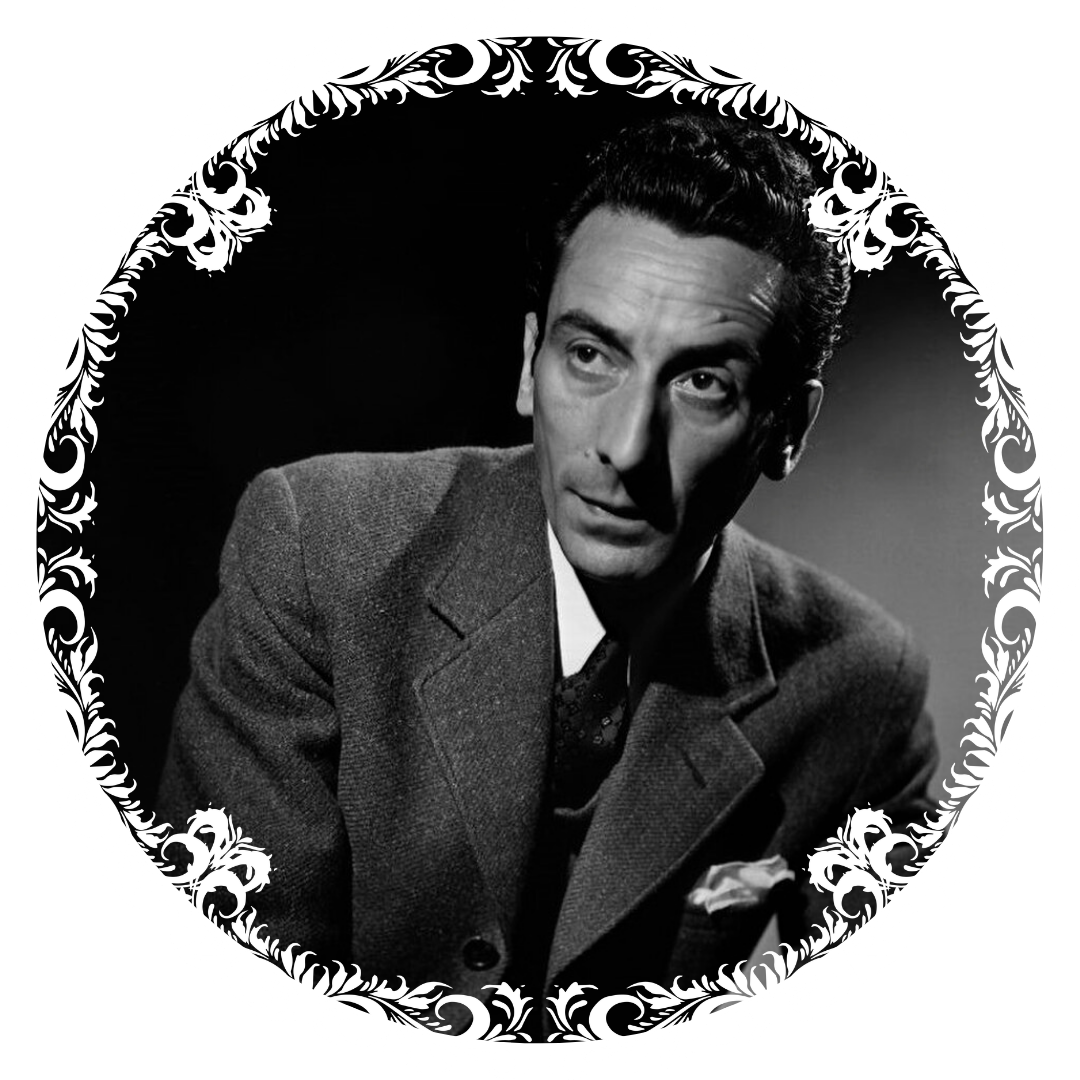
Fuente del retrato
En horizontal ves el original y la traducción.
Elegí tu idioma.
Canción desesperada.
Original en español · Traducción en English.
ORIGINAL · ESPAÑOL · 01
TRADUCCIÓN · ENGLISH · 01
ORIGINAL · ESPAÑOL · 02
TRADUCCIÓN · ENGLISH · 02
ORIGINAL · ESPAÑOL · 03
TRADUCCIÓN · ENGLISH · 03
ORIGINAL · ESPAÑOL
Ser canción y ser pregunta el narrador no dice solamente que canta: se convierte en canción y en pregunta. La hoja arrastrada por el turbión vuelve visible una identidad sin rumbo. La desesperación se organiza alrededor de interrogaciones que no reciben respuesta.
Los sueños volcados al mar entregar los sueños al mar sugiere perderlos en algo inmenso que no los devuelve. «Al amarte mataba mi amor» encierra la paradoja central: la misma entrega que debía sostener el amor termina destruyéndolo.
La traición como grito las preguntas a Dios y al sol extienden el abandono hasta el mundo entero. Las afirmaciones sobre hombres y mujeres pertenecen al personaje herido. El cambio de «tu traición» a «su traición» en el cierre vuelve a la canción portadora de ese dolor, sin resolver quién puede responder por él.
ENGLISH
Being a song and a question the narrator does not simply say he sings: he becomes a song and a question. The leaf swept by the torrent makes a directionless identity visible. Despair gathers around questions that receive no answer.
Dreams poured into the sea giving dreams to the sea suggests losing them in something immense that does not return them. “In loving you I was killing my love” holds the central paradox: the very devotion meant to sustain love ends up destroying it.
Betrayal as a cry the questions to God and the sun extend abandonment to the whole world. Claims about men and women belong to the wounded character. The closing shift from “your betrayal” to “its betrayal” again makes the song the bearer of that pain, without deciding who can answer for it.
Edición, traducciones y notas culturales: Fórmula Tango — Lucila Cionci & Rodrigo “Joe” Corbata.
RECIBÍ LOS NUEVOS RECURSOS →