
bailando
Cargando

FÓRMULA TANGO · LA BIBLIOTECA EN TU IDIOMA

CARNAVAL
DE MI
BARRIO.

LEÉ LA LETRA ↓
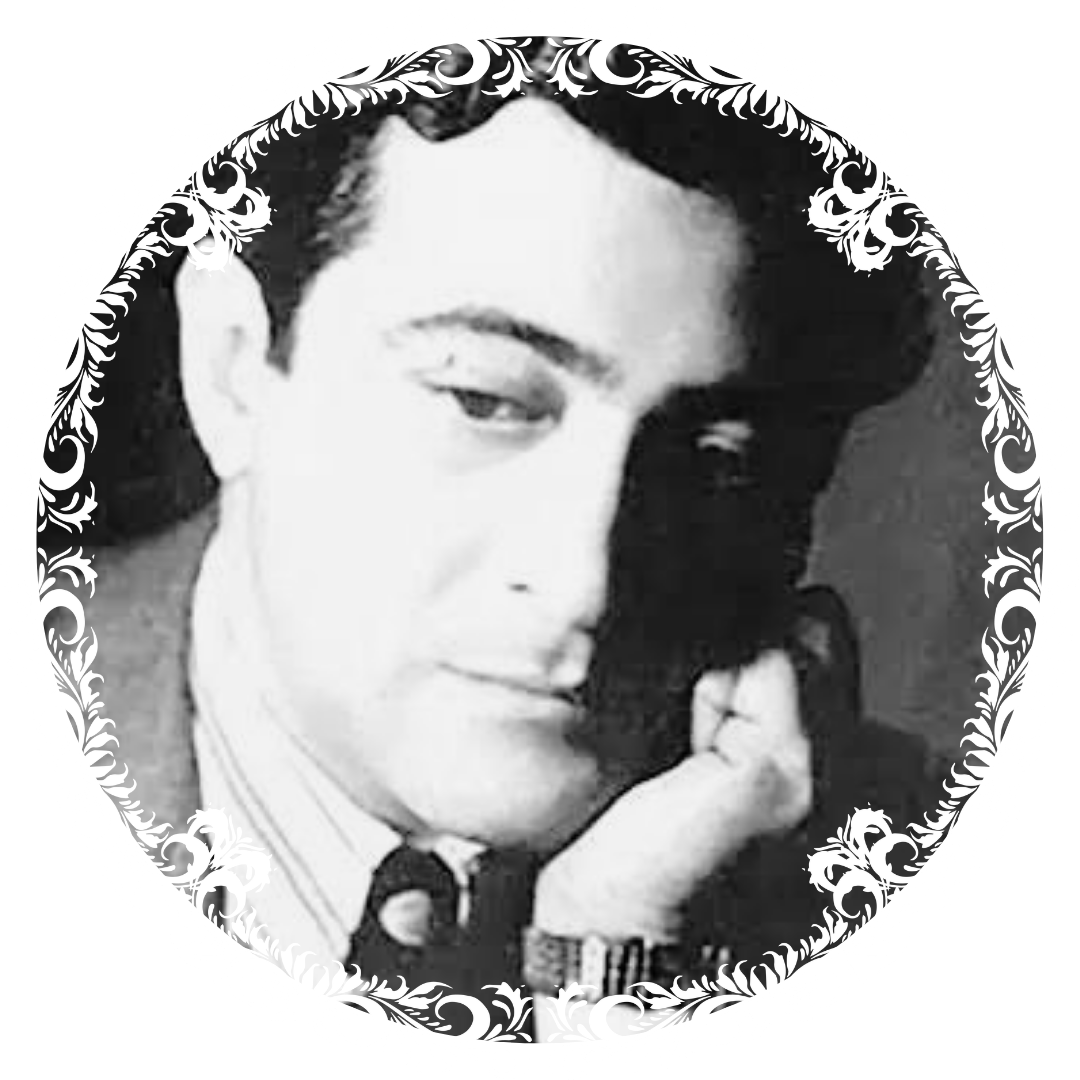
Retrato de Luis Rubistein
Luis RubisteinComposición visual: Fórmula Tango
Fuente del retrato
Luis Rubistein · Letra y músicaRetrato de archivo · Fuente: Todo Tango · Archivo de la imagen ↗
MÚSICALuis Rubistein
LETRALuis Rubistein

El original y su traducción, uno al lado del otro.

En horizontal ves el original y la traducción.

Elegí tu idioma.

Carnaval de mi barrio.

Original en español · Traducción en English.

ORIGINAL · ESPAÑOL · 01

Mi barrio está de fiesta con su mejor sonrisa y una ternura extraña me invade el corazón. Parece que las horas corriesen más deprisa y que del mismo barro brotase una canción. La murga de purretes, desafinando un tango, machuca los oídos con destemplada voz... Gorriones de mi barrio que vuelcan en el fango, puñados de alegría que les regala Dios.

TRADUCCIÓN · ENGLISH · 01

My neighborhood is celebrating with its finest smile, and a strange tenderness fills my heart. It seems the hours are running faster, and as though a song were springing from the mud itself. The children's carnival troupe, singing a tango out of tune, batter the ears with their discordant voices... Sparrows of my neighborhood pouring into the mud handfuls of joy that God gives them.

ORIGINAL · ESPAÑOL · 02

Carnaval de mi barrio donde todo es amor, cascabeles de risas matizando el dolor..., Carnaval de mi barrio, pedacito de sol, con nostalgias de luna y canción de farol.

TRADUCCIÓN · ENGLISH · 02

Carnival of my neighborhood, where everything is love, little bells of laughter shading the pain... Carnival of my neighborhood, little piece of sun, with longings for the moon and a streetlamp's song.

ORIGINAL · ESPAÑOL · 03

La que volvió sin honra se disfrazó de apache y el barrio en cada puerta comenta sin cesar, su traje descarado, sus ojos azabache, y su poca vergüenza que no sabe ocultar... El tano verdulero, tirado en la vereda, mastica su cachimbo, cansado de yugar; y en su sonrisa amarga una nostalgia enreda; también, allá en Italia, vivió su carnaval.

TRADUCCIÓN · ENGLISH · 03

The woman who returned without honor wore an apache costume, and at every doorway the neighborhood endlessly comments on her shameless costume, her jet-black eyes, and her lack of shame she cannot hide... The Italian greengrocer, sprawled on the sidewalk, chews his pipe, tired from toiling; and in his bitter smile a longing becomes tangled; he too, back in Italy, lived his carnival.
Lunfardo, interpretación literaria y cultura que vive en el tango.Lunfardo, literary interpretation and the culture that lives in tango.

ORIGINAL · ESPAÑOL

Murga, purretes y gorriones Murga es una agrupación de carnaval; purretes son chicos. Su tango desafinado no impide la alegría. Al llamarlos gorriones, la voz reúne infancia, calle y movimiento. Del barro y el fango surge una canción: el barrio convierte lo humilde en fiesta.

Risas que matizan el dolor El carnaval no borra la pena: le añade cascabeles de risa. Sol, luna y farol mezclan calor, nostalgia y vida nocturna. La ternura inicial da al barrio una sonrisa colectiva, pero la última estrofa muestra que esa comunidad también puede juzgar.

El disfraz y el juicio Apache puede nombrar en el lenguaje de época al bandido parisino, además de otros sentidos; no conviene identificar automáticamente el traje con un pueblo indígena. «Sin honra» y «poca vergüenza» expresan una condena social de la mujer, no una verdad imparcial sobre su vida.

Tano, cachimbo y yugar Tano es una voz familiar para italiano; cachimbo, una pipa; yugar, trabajar con esfuerzo. La fiesta encuentra al verdulero cansado en la vereda. Su sonrisa amarga enlaza el presente con otro carnaval en Italia: la inmigración también vive en la memoria del barrio.

ENGLISH

Murga, purretes and sparrows Murga is a carnival troupe; purretes are children. Their out-of-tune tango does not prevent joy. Calling them sparrows brings childhood, street life and movement together. A song rises from mud: the neighborhood turns modest surroundings into celebration.

Laughter shading pain Carnival does not erase sorrow: it adds little bells of laughter. Sun, moon and streetlamp mix warmth, nostalgia and nightlife. Initial tenderness gives the neighborhood a collective smile, but the last stanza shows that the community can also judge.

Costume and judgment Apache can mean a Parisian bandit in period usage, among other senses; the costume should not automatically be identified with an Indigenous people. “Without honor” and “lack of shame” express social condemnation of the woman, not an impartial truth about her life.

Tano, cachimbo and yugar Tano is a familiar word for an Italian; cachimbo, a pipe; yugar, to work hard. The celebration finds the greengrocer tired on the sidewalk. His bitter smile links the present to another carnival in Italy: immigration also lives in neighborhood memory.

Edición, traducciones y notas culturales: Fórmula Tango — Lucila Cionci & Rodrigo “Joe” Corbata.

RECIBÍ LOS NUEVOS RECURSOS →

EL TANGO SIGUE ACÁ

SEGUIMOS EN CONTACTO.

Recibí nuestras próximas fechas, propuestas de formación e ideas para tu tango.

Al suscribirte aceptás recibir novedades por email. Baja y derechos: formulatango@gmail.com. Tus derechos y privacidad ↗Responsable: Rodrigo Daniel Corbata · Fórmula Tango.

LUCILA & JOE · FÓRMULA TANGO

HABLEMOS

Un evento, una clase o una idea.
Contanos qué tenés en mente.

Usaremos tus datos para responder tu consulta. Tus derechos y privacidad ↗Responsable: Rodrigo Daniel Corbata · Fórmula Tango.