
bailando
Cargando

FÓRMULA TANGO · LA BIBLIOTECA EN TU IDIOMA

DESDICHAS.

LEÉ LA LETRA ↓
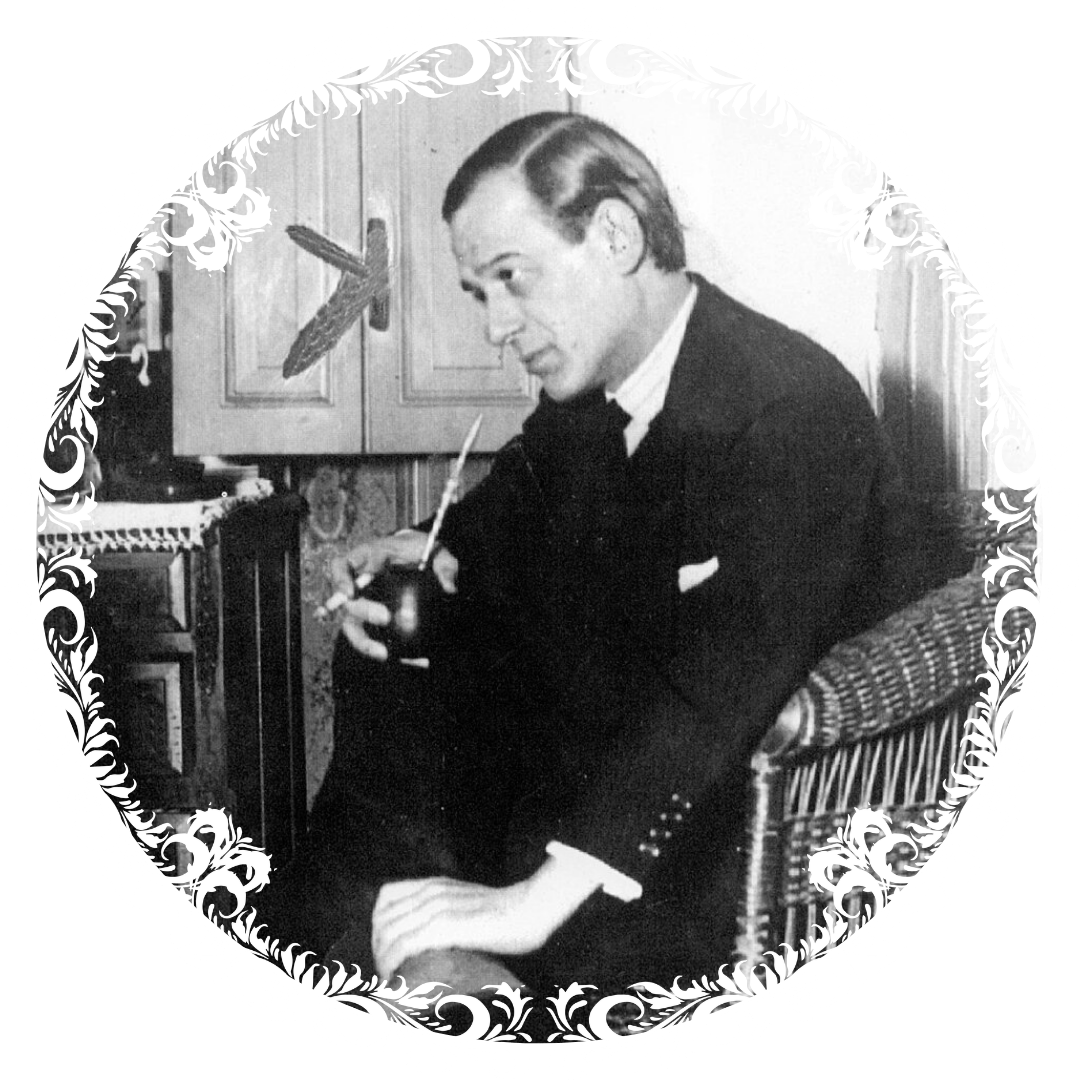
Retrato de Pascual Contursi
Pascual ContursiComposición visual: Fórmula Tango
Fuente del retrato
Pascual Contursi · LetraFotógrafo no identificado · Dominio público · Archivo de la imagen ↗
MÚSICAAugusto Gentile
LETRAPascual Contursi

El original y su traducción, uno al lado del otro.

En horizontal ves el original y la traducción.

Elegí tu idioma.

Desdichas.

Original en español · Traducción en English.

ORIGINAL · ESPAÑOL · 01

Y si ves alguna noche entre risa y carcajada, una triste milonguera de un lujoso cabaret; acordate que esa pobre tiene el alma destrozada, que no baila de alegría y se ríe sin querer.

TRADUCCIÓN · ENGLISH · 01

And if one night you see, amid laughter and guffaws, a sad milonga dancer in a luxurious cabaret, remember that the poor woman has a shattered soul, that she does not dance from joy and laughs without wanting to.

ORIGINAL · ESPAÑOL · 02

Si la ves arrinconada recordando con tristeza, las desdichas del pasado, triste fin de una pasión; de seguro que en el blanco mantelado de la mesa, la visión de su pebete la consuela en su dolor.

TRADUCCIÓN · ENGLISH · 02

If you see her in a corner, sadly remembering the misfortunes of the past, the sad end of a passion, surely on the white tablecloth of the table the vision of her boy comforts her in her sorrow.

ORIGINAL · ESPAÑOL · 03

Bailá, bailá, milonguera que al mundo no le importa si vos llorarás. Bailá, bailá, milonguera, porque mira el encargado y te puede echar.

TRADUCCIÓN · ENGLISH · 03

Dance, dance, milonga dancer, for the world does not care whether you will weep. Dance, dance, milonga dancer, because the manager is watching and may throw you out.
Lunfardo, interpretación literaria y cultura que vive en el tango.Lunfardo, literary interpretation and the culture that lives in tango.

ORIGINAL · ESPAÑOL

«Milonguera» en el cabaret aquí la palabra sitúa a una mujer que baila en ese ambiente. No describe automáticamente a todas las bailarinas sociales: el sentido se construye con el encargado y la amenaza de echarla.

La risa que no es alegría el comienzo invita a mirar más allá de la apariencia. Reír y bailar son acciones visibles; el dolor queda oculto y sólo aparece cuando la voz pide recordarlo.

«Pebete» y el mandato de bailar «pebete» puede nombrar a un niño o muchacho; la letra no explica de manera explícita el vínculo. El estribillo deja el consuelo íntimo y vuelve a la presión del trabajo: debe seguir bailando bajo vigilancia.

ENGLISH

“Milonguera” in the cabaret here the word places a woman dancing in that setting. It does not automatically describe all social dancers: the meaning develops through the manager and the threat of dismissal.

Laughter that is not joy the opening invites us to look beyond appearances. Laughing and dancing are visible actions; pain remains hidden until the voice asks us to remember it.

“Pebete” and the command to dance “pebete” can mean a child or young boy; the lyric does not explicitly explain their relationship. The refrain leaves private consolation and returns to the pressure of work: she must keep dancing under watch.

Edición, traducciones y notas culturales: Fórmula Tango — Lucila Cionci & Rodrigo “Joe” Corbata.

RECIBÍ LOS NUEVOS RECURSOS →

EL TANGO SIGUE ACÁ

SEGUIMOS EN CONTACTO.

Recibí nuestras próximas fechas, propuestas de formación e ideas para tu tango.

Al suscribirte aceptás recibir novedades por email. Baja y derechos: formulatango@gmail.com. Tus derechos y privacidad ↗Responsable: Rodrigo Daniel Corbata · Fórmula Tango.

LUCILA & JOE · FÓRMULA TANGO

HABLEMOS

Un evento, una clase o una idea.
Contanos qué tenés en mente.

Usaremos tus datos para responder tu consulta. Tus derechos y privacidad ↗Responsable: Rodrigo Daniel Corbata · Fórmula Tango.