
bailando
Cargando

FÓRMULA TANGO · LA BIBLIOTECA EN TU IDIOMA

DISCEPOLÍN.

LEÉ LA LETRA ↓
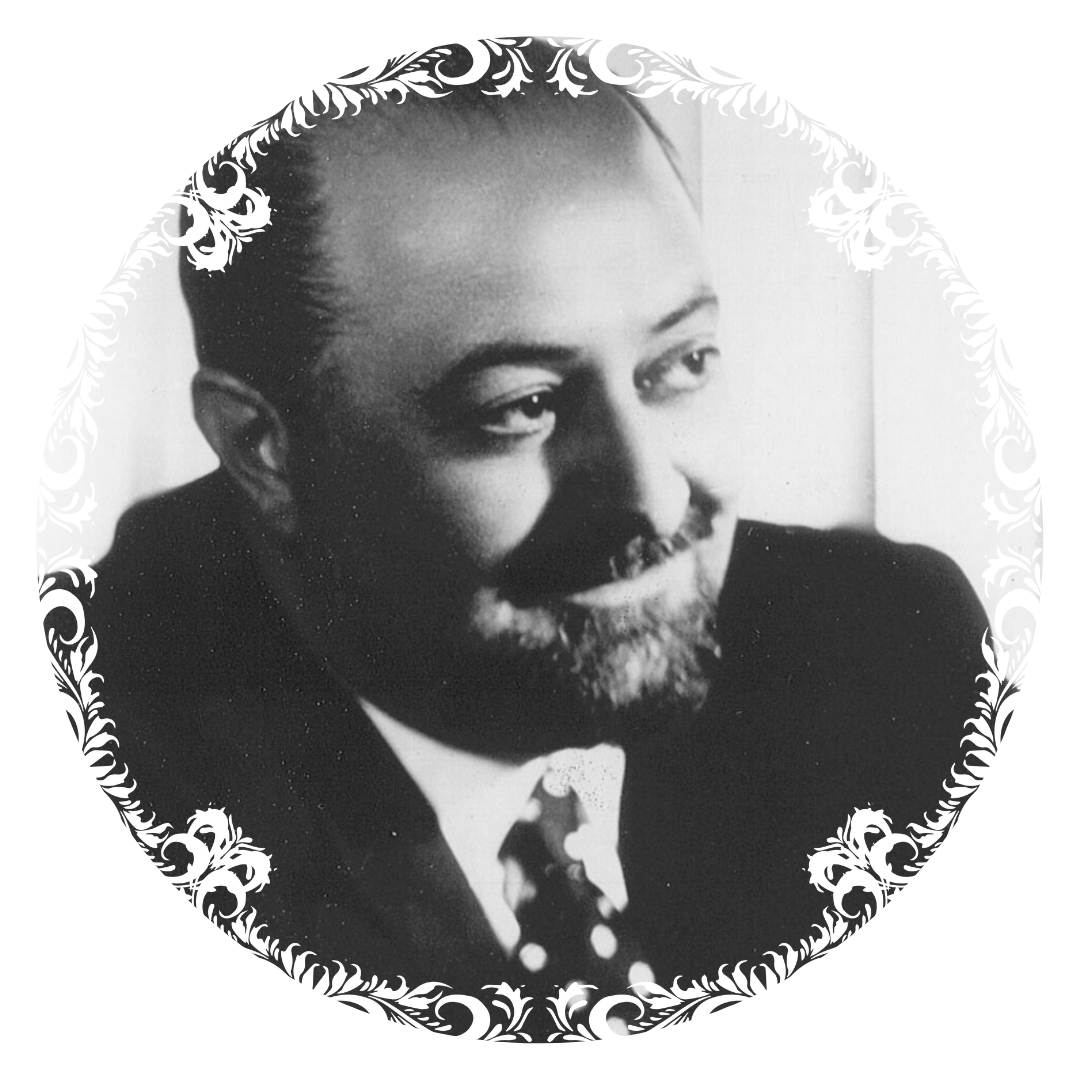
Retrato de Homero Manzi
Homero ManziComposición visual: Fórmula Tango
Fuente del retrato
Homero Manzi · LetraFotógrafo no identificado · Archivo de la imagen ↗
MÚSICAAníbal Troilo
LETRAHomero Manzi

El original y su traducción, uno al lado del otro.

En horizontal ves el original y la traducción.

Elegí tu idioma.

Discepolín.

Original en español · Traducción en English.

ORIGINAL · ESPAÑOL · 01

Sobre el mármol helado, migas de medialuna y una mujer absurda que come en un rincón ... Tu musa está sangrando y ella se desayuna ... el alba no perdona ni tiene corazón. Al fin, ¿quién es culpable de la vida grotesca y del alma manchada con sangre de carmín? Mejor es que salgamos antes de que amanezca, antes de que lloremos, ¡viejo Discepolín!...

TRADUCCIÓN · ENGLISH · 01

On the icy marble, crumbs of a crescent roll, and an absurd woman eating in a corner... Your muse is bleeding, and she is having breakfast... dawn does not forgive and has no heart. After all, who is to blame for grotesque life and the soul stained with carmine blood? We had better leave before day breaks, before we start to weep, old Discepolín!...

ORIGINAL · ESPAÑOL · 02

Conozco de tu largo aburrimiento y comprendo lo que cuesta ser feliz, y al son de cada tango te presiento con tu talento enorme y tu nariz; con tu lágrima amarga y escondida, con tu careta pálida de clown, y con esa sonrisa entristecida que florece en verso y en canción.

TRADUCCIÓN · ENGLISH · 02

I know of your long weariness and understand how hard it is to be happy, and to the sound of every tango I sense you there, with your enormous talent and your nose; with your bitter, hidden tear, with your pale clown's mask, and with that saddened smile that flowers in verse and song.

ORIGINAL · ESPAÑOL · 03

La gente se te arrima con su montón de penas y tú las acaricias casi con un temblor... Te duele como propia la cicatriz ajena: aquél no tuvo suerte y ésta no tuvo amor. La pista se ha poblado al ruido de la orquesta se abrazan bajo el foco muñecos de aserrín... ¿No ves que están bailando? ¿No ves que están de fiesta? Vamos, que todo duele, viejo Discepolín...

TRADUCCIÓN · ENGLISH · 03

People come close with their heap of sorrows, and you caress them almost with a tremble... Another's scar hurts you as your own: that man had no luck, and this woman had no love. The dance floor has filled to the sound of the orchestra, sawdust dolls embrace beneath the spotlight... Do you not see them dancing? Do you not see them celebrating? Come, everything hurts, old Discepolín...
Lunfardo, interpretación literaria y cultura que vive en el tango.Lunfardo, literary interpretation and the culture that lives in tango.

ORIGINAL · ESPAÑOL

Un nombre afectuoso Discepolín es el nombre familiar de Enrique Santos Discépolo. Manzi le habla en segunda persona y lo retrata desde la cercanía. Talento y nariz juntan admiración y rasgo físico: el homenaje conserva la humanidad del amigo, en vez de convertirlo en una estatua.

El mármol y la medialuna El café aparece mediante una mesa fría y restos de desayuno. Mientras la musa sangra, alguien sigue comiendo: la rutina continúa frente a la angustia del poeta. Carmín mezcla el rojo de la sangre con el maquillaje y enlaza dolor, apariencia y escena.

La careta de clown La máscara del payaso y la sonrisa triste muestran una alegría que cubre sufrimiento. La lágrima escondida no desaparece: florece en verso y canción. La letra lee la creación artística como una manera de dar forma al dolor, no de negarlo.

La cicatriz ajena El amigo siente como propio el daño de los demás. En la pista, los muñecos de aserrín convierten a los bailarines en figuras frágiles de un teatro. La fiesta y el dolor coexisten; el «vamos» final vuelve al gesto íntimo de acompañar a quien sufre.

ENGLISH

An affectionate name Discepolín is Enrique Santos Discépolo’s familiar nickname. Manzi addresses him directly and portrays him through closeness. Talent and nose bring admiration together with a physical trait: the tribute preserves the friend’s humanity instead of turning him into a statue.

Marble and crescent roll The café appears through a cold table and breakfast crumbs. While the muse bleeds, someone keeps eating: routine continues beside the poet’s anguish. Carmine joins the red of blood to makeup, linking pain, appearance and the stage.

The clown’s mask The clown’s mask and sad smile suggest cheerfulness covering suffering. The hidden tear does not disappear: it flowers in verse and song. The lyrics read artistic creation as a way of giving pain a form, rather than denying it.

Another person’s scar The friend feels other people’s wounds as his own. On the dance floor, sawdust dolls turn the dancers into fragile theatrical figures. Celebration and pain coexist; the final “come” returns to the intimate gesture of accompanying someone who suffers.

Edición, traducciones y notas culturales: Fórmula Tango — Lucila Cionci & Rodrigo “Joe” Corbata.

RECIBÍ LOS NUEVOS RECURSOS →

EL TANGO SIGUE ACÁ

SEGUIMOS EN CONTACTO.

Recibí nuestras próximas fechas, propuestas de formación e ideas para tu tango.

Al suscribirte aceptás recibir novedades por email. Baja y derechos: formulatango@gmail.com. Tus derechos y privacidad ↗Responsable: Rodrigo Daniel Corbata · Fórmula Tango.

LUCILA & JOE · FÓRMULA TANGO

HABLEMOS

Un evento, una clase o una idea.
Contanos qué tenés en mente.

Usaremos tus datos para responder tu consulta. Tus derechos y privacidad ↗Responsable: Rodrigo Daniel Corbata · Fórmula Tango.