
bailando
Cargando

FÓRMULA TANGO · LA BIBLIOTECA EN TU IDIOMA

EL MOTIVO.

LEÉ LA LETRA ↓
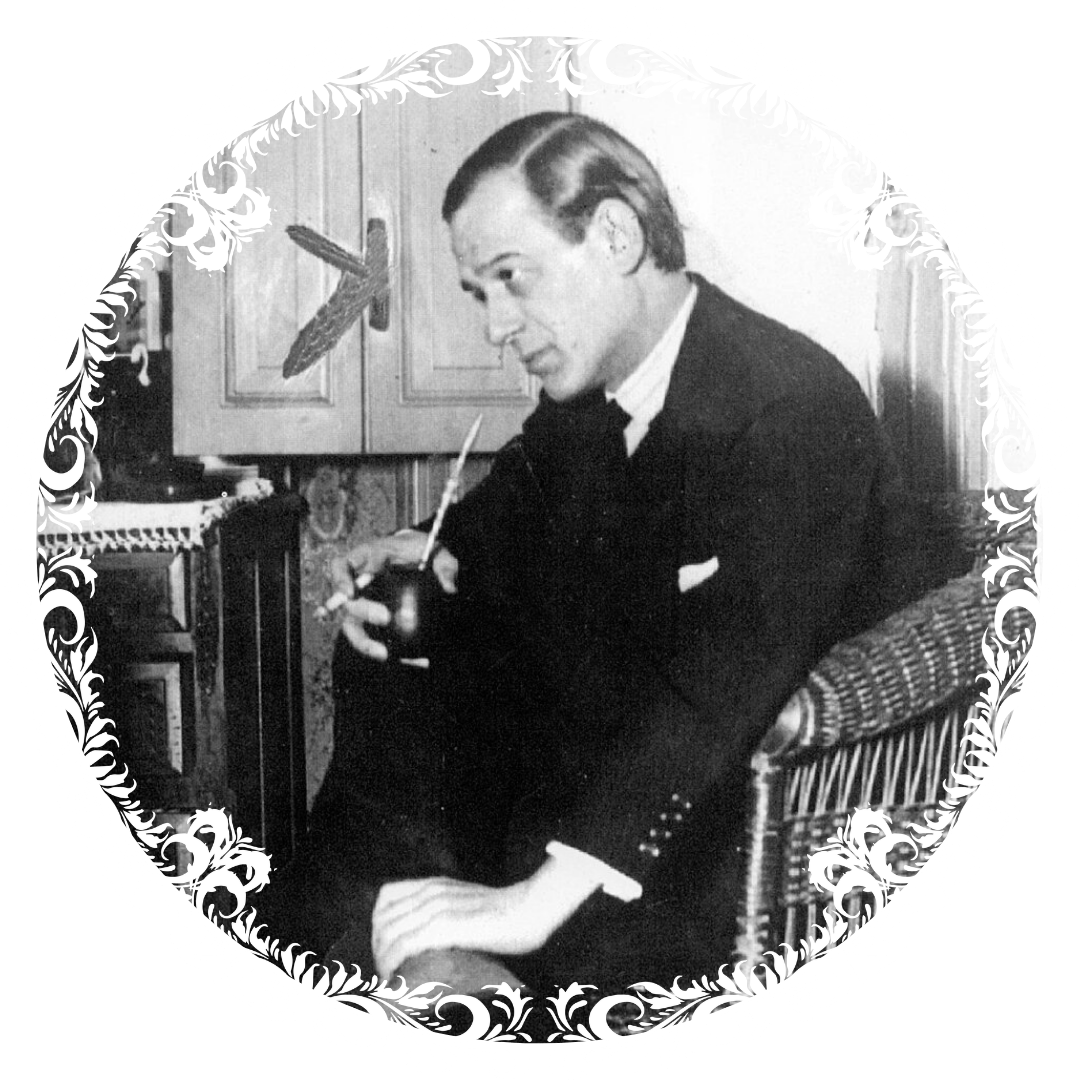
Retrato de Pascual Contursi
Pascual ContursiComposición visual: Fórmula Tango
Fuente del retrato
Pascual Contursi · LetraFotógrafo no identificado · Dominio público · Archivo de la imagen ↗
MÚSICAJuan Carlos Cobián
LETRAPascual Contursi

El original y su traducción, uno al lado del otro.

En horizontal ves el original y la traducción.

Elegí tu idioma.

El motivo.

Original en español · Traducción en English.

ORIGINAL · ESPAÑOL · 01

Mina que fue en otro tiempo la más papa milonguera y en esas noches tangueras fue la reina del festín. Hoy no tiene pa' ponerse ni zapatos ni vestidos, anda enferma y el amigo no aportó para el bulín.

TRADUCCIÓN · ENGLISH · 01

The woman who once was the loveliest milonga dancer, and on those tango nights was the queen of the revels. Today she has nothing to wear, neither shoes nor dresses; she is ill, and her companion has paid nothing toward her room.

ORIGINAL · ESPAÑOL · 02

Ya no tienen sus ojazos esos fuertes resplandores y en su cara los colores se le ven palidecer. Está enferma, sufre y llora y manya con sentimiento de que así, enferma y sin vento más naide la va a querer.

TRADUCCIÓN · ENGLISH · 02

Her great eyes no longer have those bright gleams, and the color in her face can be seen fading away. She is ill, she suffers and weeps, and realizes with sorrow that like this, ill and penniless, no one will love her anymore.

ORIGINAL · ESPAÑOL · 03

Pobre paica que ha tenido a la gente rechiflada y supo con la mirada conquistar una pasión. Hoy no tiene quien se arrime por cariño a su catrera. ¡Pobre paica arrabalera que quedó sin corazón!

TRADUCCIÓN · ENGLISH · 03

Poor girl who once had everyone mad about her, and knew how with a glance to awaken a passion. Today she has no one to come to her bedside out of affection. Poor girl of the outer neighborhoods, left with a broken heart!

ORIGINAL · ESPAÑOL · 04

Y cuando de los bandoneones se oyen las notas de un tango, pobre florcita de fango siente en su alma vibrar las nostalgias de otros tiempos de placeres y de amores, ¡hoy sólo son sinsabores que la invitan a llorar!

TRADUCCIÓN · ENGLISH · 04

And when from the bandoneons the notes of a tango are heard, that poor little flower of the mud feels vibrating in her soul the longing for other times, for pleasures and for loves; today they are only bitter sorrows that move her to tears!
Lunfardo, interpretación literaria y cultura que vive en el tango.Lunfardo, literary interpretation and the culture that lives in tango.

ORIGINAL · ESPAÑOL

Mina, papa y paica Mina y paica son voces lunfardas para mujer. Papa, en «la más papa milonguera», elogia su belleza o atractivo, no nombra un alimento. Milonguera la sitúa en el mundo del baile; rechiflada describe a la gente que tenía fascinada.

Bulín, vento y catrera Bulín es el cuarto; vento, el dinero; catrera, la cama. El amigo puede leerse aquí como compañero o amante. Al dejar de aportar para la habitación, su ausencia se vuelve también material. La enfermedad aparece junto a la pobreza y la falta de cuidados.

Manyar y naide Manyar significa entender: la mujer comprende con tristeza que, enferma y sin dinero, ya no la querrán. Naide conserva una forma popular de nadie. Esa conclusión pertenece al mundo emocional del personaje; la letra muestra la crueldad de un afecto condicionado por belleza y recursos.

La florcita de fango La flor reúne fragilidad y belleza; el fango señala el entorno del que proviene. El tango devuelve los placeres del pasado como nostalgia dolorosa. La voz pasa de la antigua reina a la mujer sola: el contraste sostiene la compasión del relato.

ENGLISH

Mina, papa and paica Mina and paica are Lunfardo words for woman. Papa, in “la más papa milonguera,” praises her beauty or appeal, rather than naming a food. Milonguera places her in the world of dancing; rechiflada describes the people she had captivated.

Bulín, vento and catrera Bulín is the room; vento, money; catrera, the bed. Amigo can be read here as a companion or lover. His failure to contribute toward the room makes his absence material as well. Illness appears alongside poverty and a lack of care.

Manyar and naide Manyar means to understand: the woman sadly realizes that, ill and penniless, she will no longer be loved. Naide retains a popular form of nadie, nobody. That conclusion belongs to the character’s emotional world; the lyrics expose the cruelty of affection conditioned on beauty and resources.

The little flower of the mud The flower brings together fragility and beauty; the mud points to her surroundings. Tango returns past pleasures as painful longing. The voice moves from the former queen to the lonely woman: the contrast sustains the compassion of the account.

Edición, traducciones y notas culturales: Fórmula Tango — Lucila Cionci & Rodrigo “Joe” Corbata.

RECIBÍ LOS NUEVOS RECURSOS →

EL TANGO SIGUE ACÁ

SEGUIMOS EN CONTACTO.

Recibí nuestras próximas fechas, propuestas de formación e ideas para tu tango.

Al suscribirte aceptás recibir novedades por email. Baja y derechos: formulatango@gmail.com. Tus derechos y privacidad ↗Responsable: Rodrigo Daniel Corbata · Fórmula Tango.

LUCILA & JOE · FÓRMULA TANGO

HABLEMOS

Un evento, una clase o una idea.
Contanos qué tenés en mente.

Usaremos tus datos para responder tu consulta. Tus derechos y privacidad ↗Responsable: Rodrigo Daniel Corbata · Fórmula Tango.