
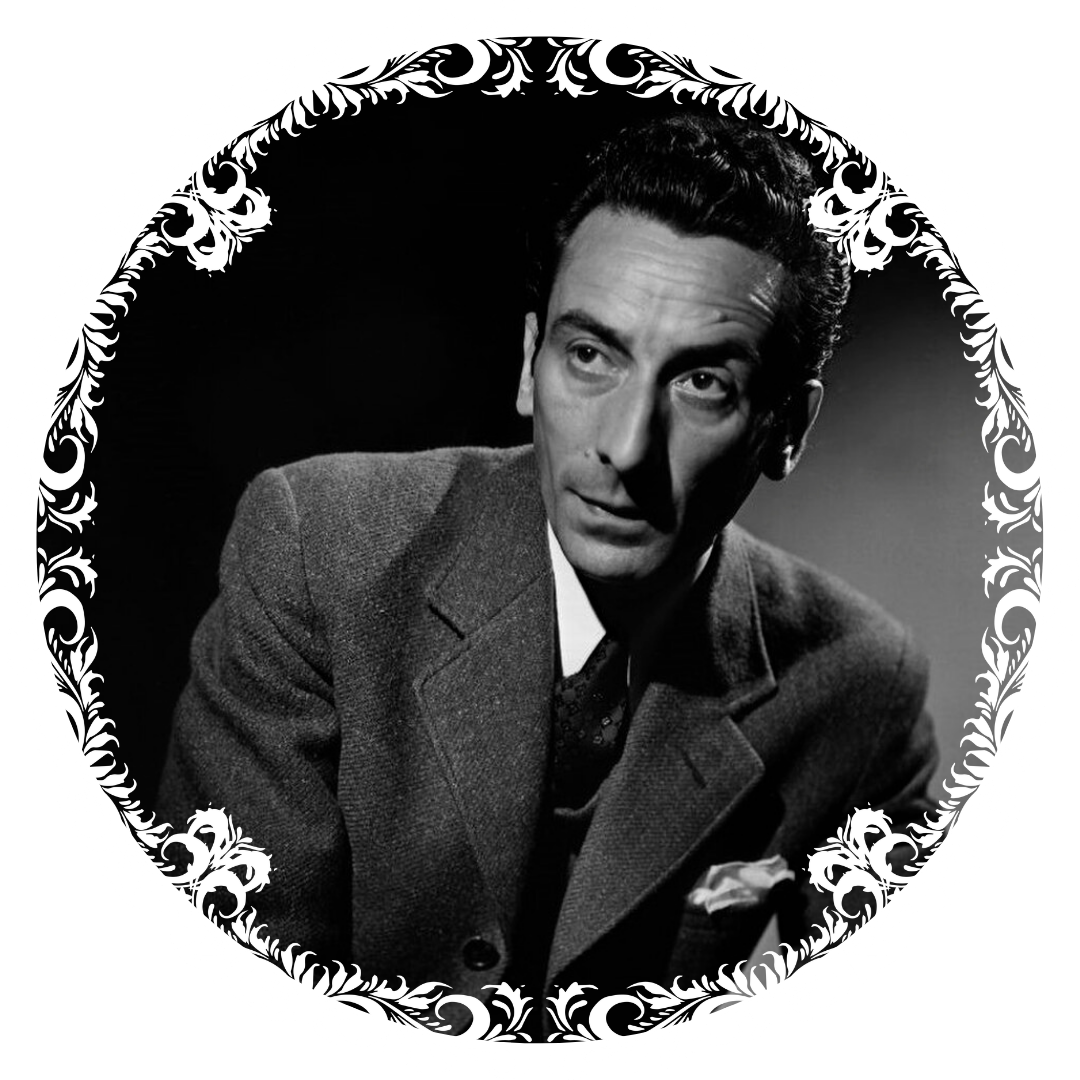
Fuente del retrato
En horizontal ves el original y la traducción.
Elegí tu idioma.
Esta noche me emborracho.
Original en español · Traducción en English.
ORIGINAL · ESPAÑOL · 01
TRADUCCIÓN · ENGLISH · 01
ORIGINAL · ESPAÑOL · 02
TRADUCCIÓN · ENGLISH · 02
ORIGINAL · ESPAÑOL · 03
TRADUCCIÓN · ENGLISH · 03
ORIGINAL · ESPAÑOL
Fané, descangayada y pebeta fané sugiere desgaste; descangayada, deterioro o desarreglo; pebeta es muchacha. El retrato inicial usa imágenes crueles y deformantes. Es la mirada del antiguo amante, atravesada por el daño y el resentimiento, no una descripción neutral.
Metedura, chiflao y pechador metedura nombra el enamoramiento intenso; chiflao, la pérdida de juicio; pechador, quien vive pidiendo o aprovechándose de otros. La vieja es la madre. El relato también acusa al propio narrador: reconoce haberle quitado el pan y haber perdido amigos y honor.
Un réquiem en vida la expresión «requiscat in pace» evoca la fórmula de descanso para los muertos. Aquí ella está viva: el encuentro funciona como funeral de la imagen que él amó. La «venganza del tiempo» destruye tanto esa imagen como la justificación de sus antiguos sacrificios.
Rajé, yorar y mamao rajar es irse o escapar; yorar y mamao conservan la pronunciación oral; mamarse es emborracharse. El final busca suspender el pensamiento, no resolver el dolor. La repetición de «bien» insiste en esa fuga.
ENGLISH
Fané, descangayada and pebeta fané suggests being worn out; descangayada, deterioration or disarray; pebeta means a young girl. The opening portrait uses cruel, distorting images. It is the former lover's wounded, resentful gaze, rather than a neutral description.
Metedura, chiflao and pechador metedura names intense infatuation; chiflao, losing one's mind; pechador, someone who begs or lives off others. Vieja means mother. The story also accuses its narrator: he admits taking her bread and losing friends and honor.
A requiem while alive “requiscat in pace” evokes the formula of rest for the dead. She is alive here: the encounter acts as a funeral for the image he loved. The “revenge of time” destroys both that image and the justification for his former sacrifices.
Rajé, yorar and mamao rajar means leaving or fleeing; yorar and mamao preserve spoken pronunciation; mamarse means getting drunk. The ending seeks to suspend thought, rather than resolve pain. Repeating “thoroughly” stresses that escape.
Edición, traducciones y notas culturales: Fórmula Tango — Lucila Cionci & Rodrigo “Joe” Corbata.
RECIBÍ LOS NUEVOS RECURSOS →