
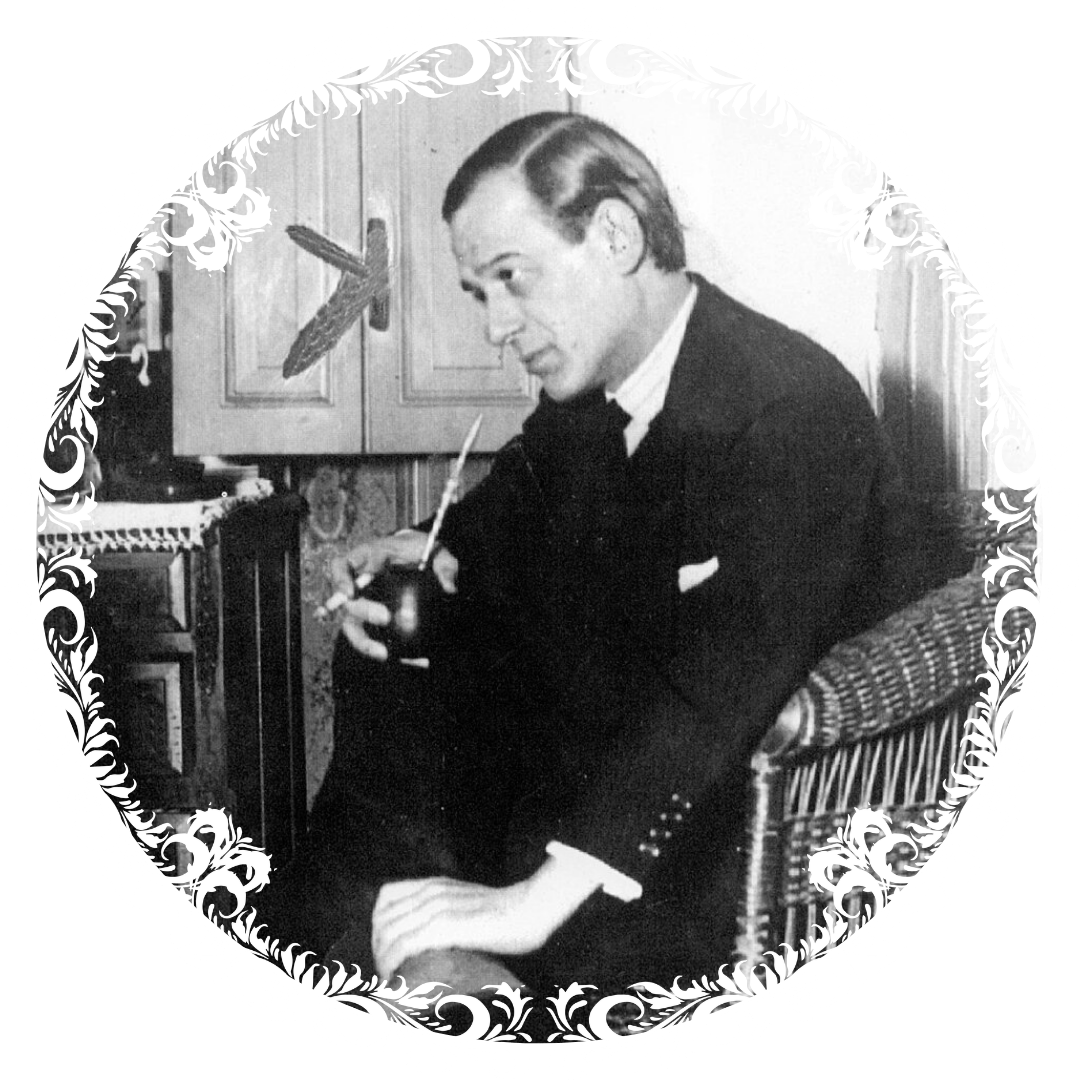
Fuente del retrato
En horizontal ves el original y la traducción.
Elegí tu idioma.
Flor de fango.
Original en español · Traducción en English.
ORIGINAL · ESPAÑOL · 01
TRADUCCIÓN · ENGLISH · 01
ORIGINAL · ESPAÑOL · 02
TRADUCCIÓN · ENGLISH · 02
ORIGINAL · ESPAÑOL · 03
TRADUCCIÓN · ENGLISH · 03
ORIGINAL · ESPAÑOL · 04
TRADUCCIÓN · ENGLISH · 04
ORIGINAL · ESPAÑOL · 05
TRADUCCIÓN · ENGLISH · 05
ORIGINAL · ESPAÑOL
Manyo, bato y gotán Manyar es conocer o reconocer; batir, decir o contar. Gotán invierte las sílabas de tango mediante el vesre. «Catorce abriles» dice la edad con una imagen de primavera. La repetición final vuelve a la infancia y muestra que el relato sigue atado a ese origen.
Conventillo, vento y amurar El conventillo y el querosén dibujan una infancia humilde. Vento es dinero; en «las alhajas amuraste», amurar significa empeñar. Bulín y bulincito nombran la habitación. Las joyas dejan de ser signos de lujo y pasan a sostener una supervivencia precaria.
Tonadillera, papusa y engrupir Tonadillera es una cantante de tonadillas o canciones populares de escena; no equivale automáticamente a prostituta. Papusa alude a una mujer atractiva. Engrupir es engañar o embaucar: los amigos que prometían diversión participan también en su caída.
La flor y la mirada del narrador Lirio, flor y fango oponen belleza vulnerable y un entorno que la lastima. La voz mezcla reproche y compasión; atribuye responsabilidades a la joven y a quienes la rodean. La ausencia del amor materno agrava el desamparo. Esta es la mirada del narrador, no un juicio objetivo sobre las mujeres.
ENGLISH
Manyo, bato and gotán Manyar means to know or recognize; batir, to tell or say. Gotán reverses the syllables of tango through vesre. “Fourteen springs” expresses age through a springtime image. The final repetition returns to childhood and shows the account remaining tied to that origin.
Conventillo, vento and amurar The tenement and kerosene sketch a modest childhood. Vento means money; in “las alhajas amuraste,” amurar means to pawn. Bulín and bulincito name the room. Jewels cease to be signs of luxury and become a means of sustaining a precarious life.
Tonadillera, papusa and engrupir Tonadillera is a singer of tonadillas or popular stage songs; it does not automatically mean a prostitute. Papusa refers to an attractive woman. Engrupir means to deceive or dupe: the friends who promised fun also take part in her downfall.
The flower and the narrator’s gaze Lily, flower and mud contrast vulnerable beauty with surroundings that hurt her. The voice mixes reproach and compassion, assigning responsibility to the girl and to those around her. The absence of maternal love deepens her abandonment. This is the narrator’s perspective, rather than an objective judgment on women.
Edición, traducciones y notas culturales: Fórmula Tango — Lucila Cionci & Rodrigo “Joe” Corbata.
RECIBÍ LOS NUEVOS RECURSOS →