
bailando
Cargando

FÓRMULA TANGO · LA BIBLIOTECA EN TU IDIOMA

FUIMOS.

LEÉ LA LETRA ↓
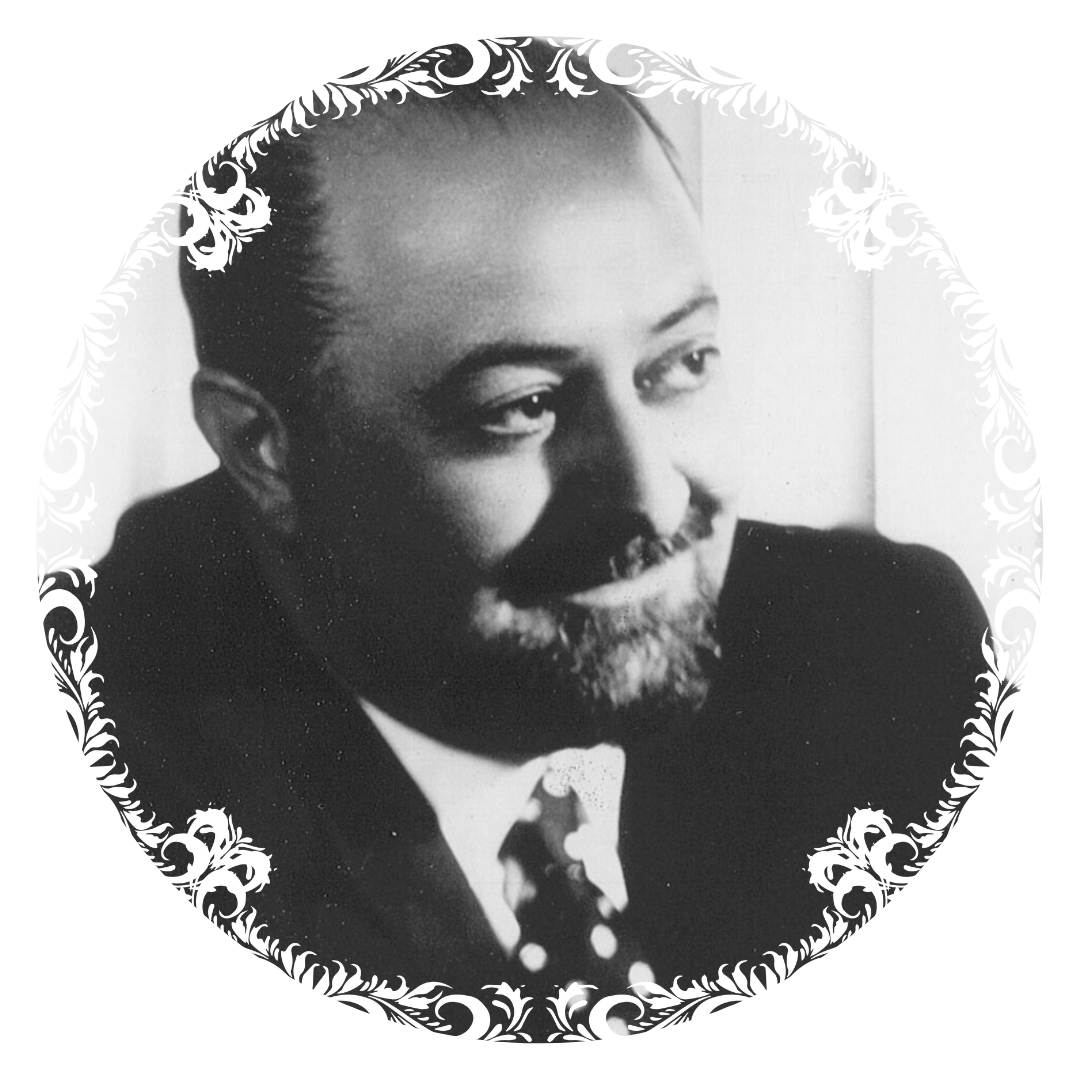
Retrato de Homero Manzi
Homero ManziComposición visual: Fórmula Tango
Fuente del retrato
Homero Manzi · LetraFotógrafo no identificado · Archivo de la imagen ↗
MÚSICAJosé Dames
LETRAHomero Manzi

El original y su traducción, uno al lado del otro.

En horizontal ves el original y la traducción.

Elegí tu idioma.

Fuimos.

Original en español · Traducción en English.

ORIGINAL · ESPAÑOL · 01

Fui como una lluvia de cenizas y fatigas en las horas resignadas de tu vida... Gota de vinagre derramada, fatalmente derramada, sobre todas tus heridas. Fuiste por mi culpa golondrina entre la nieve rosa marchitada por la nube que no llueve. Fuimos la esperanza que no llega, que no alcanza que no puede vislumbrar su tarde mansa. Fuimos el viajero que no implora, que no reza, que no llora, que se echó a morir.

TRADUCCIÓN · ENGLISH · 01

I was like a rain of ashes and weariness in the resigned hours of your life... A drop of vinegar spilled, fatally spilled, on all your wounds. Through my fault you were a swallow in the snow, a rose withered by the cloud that never rains. We were the hope that does not arrive, that falls short, that cannot glimpse its gentle afternoon. We were the traveler who does not plead, who does not pray, who does not cry, who lay down to die.

ORIGINAL · ESPAÑOL · 02

¡Vete...! ¿No comprendes que te estás matando? ¿No comprendes que te estoy llamando? ¡Vete...! No me beses que te estoy llorando ¡Y quisiera no llorarte más! ¿No ves?, es mejor que mi dolor quede tirado con tu amor librado de mi amor final ¡Vete!, ¿No comprendes que te estoy salvando? ¿No comprendes que te estoy amando? ¡No me sigas, ni me llames, ni me beses ni me llores, ni me quieras más!

TRADUCCIÓN · ENGLISH · 02

Go...! Don't you understand that you are killing yourself? Don't you understand that I am calling you? Go...! Don't kiss me, for I am weeping for you, and I wish I could weep for you no more! Don't you see? It is better that my sorrow lie abandoned with your love, freed from my final love. Go! Don't you understand that I am saving you? Don't you understand that I am loving you? Don't follow me, or call me, or kiss me, or weep for me, or love me anymore!

ORIGINAL · ESPAÑOL · 03

Fuimos abrazados a la angustia de un presagio por la noche de un camino sin salidas, pálidos despojos de un naufragio sacudidos por las olas del amor y de la vida. Fuimos empujados en un viento desolado... sombras de una sombra que tornaba del pasado. Fuimos la esperanza que no llega, que no alcanza, que no puede vislumbrar su tarde mansa. Fuimos el viajero que no implora, que no reza, que no llora, que se echó a morir.

TRADUCCIÓN · ENGLISH · 03

We went on, embracing the anguish of a foreboding, through the night of a road with no way out, pale remnants of a shipwreck, shaken by the waves of love and life. We were driven on a desolate wind... shadows of a shadow returning from the past. We were the hope that does not arrive, that falls short, that cannot glimpse its gentle afternoon. We were the traveler who does not plead, who does not pray, who does not cry, who lay down to die.
Lunfardo, interpretación literaria y cultura que vive en el tango.Lunfardo, literary interpretation and the culture that lives in tango.

ORIGINAL · ESPAÑOL

Fui, fuiste, fuimos la primera estrofa pasa de la confesión individual al daño causado a la otra persona y después a una identidad compartida. El «por mi culpa» impide leer el naufragio solamente como mala suerte: la voz reconoce su responsabilidad.

Vinagre, nieve y una nube que no llueve el vinagre sobre las heridas vuelve doloroso lo que debería cuidar. La golondrina entre la nieve está fuera de su ambiente; la rosa espera agua de una nube que no la da. Son imágenes de un vínculo que no ofrece lo necesario para vivir.

Vete, te llamo, te amo el pedido de separación convive con la llamada y con el amor declarado. El personaje imagina salvar al otro alejándolo de sí. La contradicción no se resuelve: se vuelve el centro del estribillo. El viajero que se echa a morir y los restos del naufragio expresan el agotamiento de una esperanza compartida.

ENGLISH

I was, you were, we were the first stanza moves from individual confession to the harm done to the other person, then to a shared identity. “Through my fault” prevents the shipwreck from being read merely as bad luck: the voice acknowledges responsibility.

Vinegar, snow and a cloud that never rains vinegar on wounds makes painful what should offer care. The swallow in the snow is outside its habitat; the rose waits for water from a cloud that gives none. These images portray a bond that does not provide what is needed to live.

Go, I call you, I love you the request to part coexists with calling the other person and declaring love. The character imagines saving the other by sending them away. The contradiction remains unresolved: it becomes the refrain's center. The traveler lying down to die and the wreckage express the exhaustion of a shared hope.

Edición, traducciones y notas culturales: Fórmula Tango — Lucila Cionci & Rodrigo “Joe” Corbata.

RECIBÍ LOS NUEVOS RECURSOS →

EL TANGO SIGUE ACÁ

SEGUIMOS EN CONTACTO.

Recibí nuestras próximas fechas, propuestas de formación e ideas para tu tango.

Al suscribirte aceptás recibir novedades por email. Baja y derechos: formulatango@gmail.com. Tus derechos y privacidad ↗Responsable: Rodrigo Daniel Corbata · Fórmula Tango.

LUCILA & JOE · FÓRMULA TANGO

HABLEMOS

Un evento, una clase o una idea.
Contanos qué tenés en mente.

Usaremos tus datos para responder tu consulta. Tus derechos y privacidad ↗Responsable: Rodrigo Daniel Corbata · Fórmula Tango.