bailando
Cargando

FÓRMULA TANGO · LA BIBLIOTECA EN TU IDIOMA

LA
MOROCHA.

LEÉ LA LETRA ↓
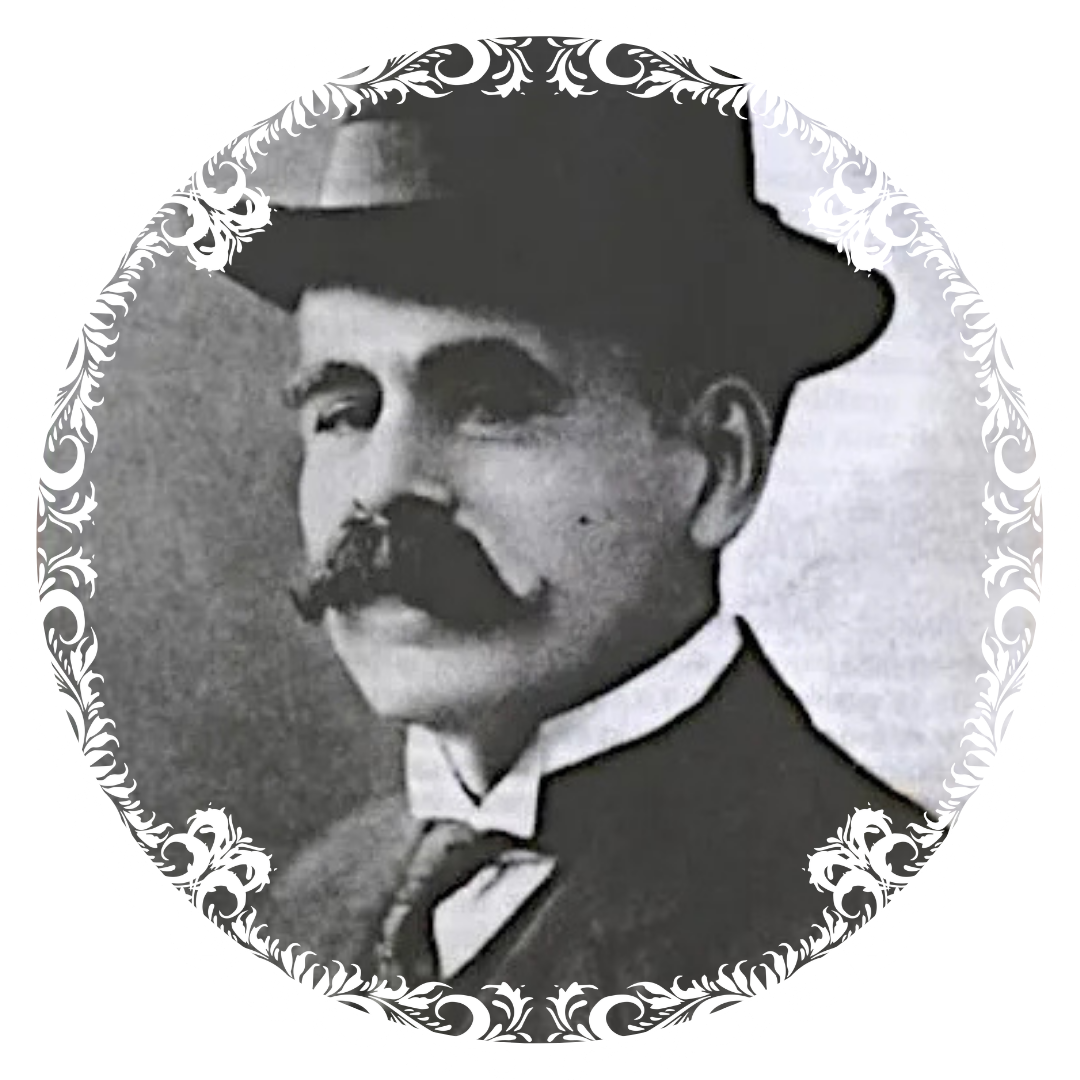
Retrato de Ángel Villoldo
Ángel VilloldoComposición visual: Fórmula Tango
Fuente del retrato
Ángel Villoldo · LetraFotógrafo no identificado · Dominio público · Archivo de la imagen ↗
MÚSICAEnrique Saborido
LETRAÁngel Villoldo

El original y su traducción, uno al lado del otro.

En horizontal ves el original y la traducción.

Elegí tu idioma.

La morocha.

Original en español · Traducción en English.

ORIGINAL · ESPAÑOL · 01

Yo soy la morocha, la más agraciada, la más renombrada de esta población. Soy la que al paisano muy de madrugada brinda un cimarrón.

TRADUCCIÓN · ENGLISH · 01

I am the dark-haired woman, the most charming, the most renowned in this town. I am the one who offers the countryman, very early in the morning, an unsweetened mate.

ORIGINAL · ESPAÑOL · 02

Yo, con dulce acento, junto a mi ranchito, canto un estilito con tierna pasión, mientras que mi dueño sale al trotecito en su redomón.

TRADUCCIÓN · ENGLISH · 02

I, with a sweet voice, beside my little ranch house, sing a little estilo with tender passion, while my master sets off at a gentle trot on his half-trained horse.

ORIGINAL · ESPAÑOL · 03

Soy la morocha argentina, la que no siente pesares y alegre pasa la vida con sus cantares. Soy la gentil compañera del noble gaucho porteño, la que conserva el cariño para su dueño.

TRADUCCIÓN · ENGLISH · 03

I am the Argentine dark-haired woman, the one who feels no sorrows and happily passes through life with her songs. I am the gentle companion of the noble gaucho of Buenos Aires, the one who keeps her affection for her master.

ORIGINAL · ESPAÑOL · 04

Yo soy la morocha de mirar ardiente, la que en su alma siente el fuego de amor. Soy la que al criollito más noble y valiente ama con ardor.

TRADUCCIÓN · ENGLISH · 04

I am the dark-haired woman with a burning gaze, the one who feels in her soul the fire of love. I am the one who ardently loves the most noble and brave young criollo.

ORIGINAL · ESPAÑOL · 05

En mi amado rancho, bajo la enramada, en noche plateada, con dulce emoción, le canto al pampero, a mi patria amada y a mi fiel amor.

TRADUCCIÓN · ENGLISH · 05

In my beloved ranch house, beneath the boughs, on a silver night, with sweet emotion, I sing to the pampero wind, to my beloved homeland and to my faithful love.

ORIGINAL · ESPAÑOL · 06

Soy la morocha argentina, la que no siente pesares y alegre pasa la vida con sus cantares. Soy la gentil compañera del noble gaucho porteño, la que conserva el cariño para su dueño.

TRADUCCIÓN · ENGLISH · 06

I am the Argentine dark-haired woman, the one who feels no sorrows and happily passes through life with her songs. I am the gentle companion of the noble gaucho of Buenos Aires, the one who keeps her affection for her master.
Lunfardo, interpretación literaria y cultura que vive en el tango.Lunfardo, literary interpretation and the culture that lives in tango.

ORIGINAL · ESPAÑOL

«Morocha» y «cimarrón» «morocha» puede aludir al pelo o la tez oscuros; aquí la voz se presenta con orgullo. El «cimarrón» es mate amargo, sin azúcar, ofrecido al amanecer.

«Estilito», «redomón» y «pampero» «estilito» alude al estilo, una forma de canto criollo; «redomón», a un caballo todavía no completamente domado; «pampero», al viento de la pampa. Ranchito y enramada construyen ese paisaje rural.

Una voz femenina escrita por Villoldo la protagonista se afirma a través de «yo soy» y del estribillo. «Mi dueño» y «su dueño» presentan al compañero con lenguaje posesivo; ese vínculo forma parte del personaje y del imaginario que la canción propone.

ENGLISH

“Morocha” and “cimarrón” “morocha” can refer to dark hair or complexion; here the voice presents herself proudly. “Cimarrón” is bitter, unsweetened mate, offered at dawn.

“Estilito”, “redomón” and “pampero” “estilito” refers to estilo, a form of criollo song; “redomón”, to a horse not yet fully trained; “pampero”, to the wind of the pampas. The small ranch house and boughs build that rural landscape.

A female voice written by Villoldo the protagonist asserts herself through “I am” and the refrain. “My master” and “her master” present her companion in possessive language; that relationship belongs to the character and the imagery the song proposes.

Edición, traducciones y notas culturales: Fórmula Tango — Lucila Cionci & Rodrigo “Joe” Corbata.

RECIBÍ LOS NUEVOS RECURSOS →

EL TANGO SIGUE ACÁ

SEGUIMOS EN CONTACTO.

Recibí nuestras próximas fechas, propuestas de formación e ideas para tu tango.

Al suscribirte aceptás recibir novedades por email. Baja y derechos: formulatango@gmail.com. Tus derechos y privacidad ↗Responsable: Rodrigo Daniel Corbata · Fórmula Tango.

LUCILA & JOE · FÓRMULA TANGO

HABLEMOS

Un evento, una clase o una idea.
Contanos qué tenés en mente.

Usaremos tus datos para responder tu consulta. Tus derechos y privacidad ↗Responsable: Rodrigo Daniel Corbata · Fórmula Tango.