
bailando
Cargando

FÓRMULA TANGO · LA BIBLIOTECA EN TU IDIOMA

LA PULPERA
DE SANTA
LUCÍA.

LEÉ LA LETRA ↓
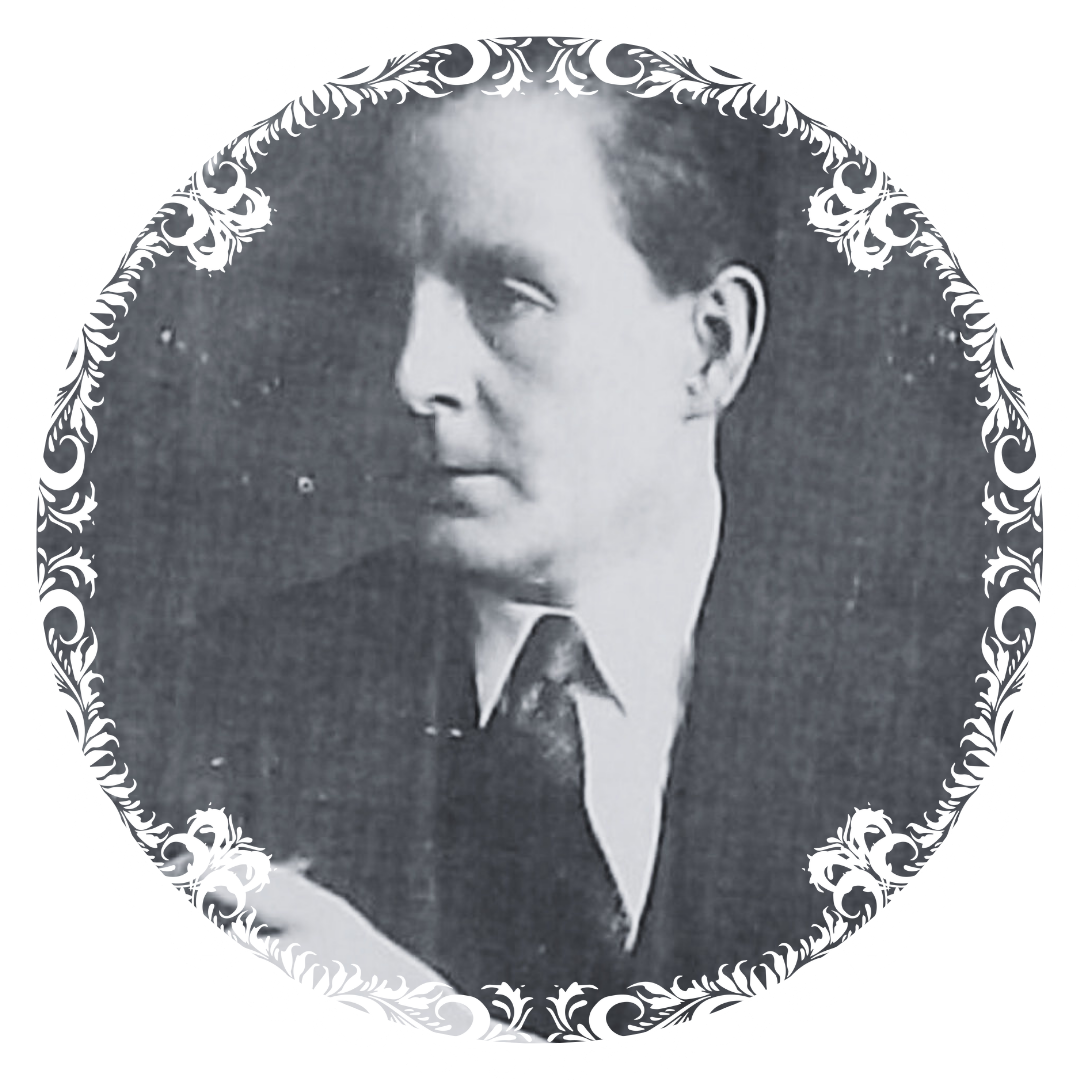
Retrato histórico de Héctor Blomberg
Héctor BlombergComposición visual: Fórmula Tango
Fuente del retrato
Héctor Blomberg · LetraRetrato de archivo · Fuente: Todo Tango · Archivo de la imagen ↗
MÚSICAEnrique Maciel
LETRAHéctor Blomberg

El original y su traducción, uno al lado del otro.

En horizontal ves el original y la traducción.

Elegí tu idioma.

La pulpera de Santa Lucía.

Original en español · Traducción en English.

ORIGINAL · ESPAÑOL · 01

Era rubia y sus ojos celestes reflejaban la gloria del día y cantaba como una calandria la pulpera de Santa Lucía.

TRADUCCIÓN · ENGLISH · 01

She was blonde, and her sky-blue eyes reflected the glory of the day, and she sang like a mockingbird, the tavern keeper of Santa Lucía.

ORIGINAL · ESPAÑOL · 02

Era flor de la vieja parroquia. ¿Quién fue el gaucho que no la quería? Los soldados de cuatro cuarteles suspiraban en la pulpería.

TRADUCCIÓN · ENGLISH · 02

She was the flower of the old parish. Which gaucho did not love her? The soldiers from four barracks sighed in the tavern.

ORIGINAL · ESPAÑOL · 03

Le cantó el payador mazorquero con un dulce gemir de vihuelas en la reja que olía a jazmines, en el patio que olía a diamelas.

TRADUCCIÓN · ENGLISH · 03

The payador of the Mazorca sang to her with a sweet moaning of guitars, by the iron grille scented with jasmine, in the courtyard scented with Arabian jasmine.

ORIGINAL · ESPAÑOL · 04

"Con el alma te quiero, pulpera, y algún día tendrás que ser mía, mientras llenan las noches del barrio las guitarras de Santa Lucía".

TRADUCCIÓN · ENGLISH · 04

"With all my soul I love you, tavern keeper, and one day you will have to be mine, while the nights of the neighborhood are filled by the guitars of Santa Lucía."

ORIGINAL · ESPAÑOL · 05

La llevó un payador de Lavalle cuando el año cuarenta moría; ya no alumbran sus ojos celestes la parroquia de Santa Lucía.

TRADUCCIÓN · ENGLISH · 05

A payador of Lavalle took her away as the year eighteen-forty was dying; her sky-blue eyes no longer light up the parish of Santa Lucía.

ORIGINAL · ESPAÑOL · 06

No volvieron los trompas de Rosas a cantarle vidalas y cielos. En la reja de la pulpería los jazmines lloraban de celos.

TRADUCCIÓN · ENGLISH · 06

Rosas's buglers did not return to sing her vidalas and cielos. At the tavern's iron grille, the jasmines wept with jealousy.

ORIGINAL · ESPAÑOL · 07

Y volvió el payador mazorquero a cantar en el patio vacío la doliente y postrer serenata que llevábase el viento del río:

TRADUCCIÓN · ENGLISH · 07

And the payador of the Mazorca returned to sing in the empty courtyard the sorrowful and final serenade that the river wind carried away:

ORIGINAL · ESPAÑOL · 08

¿Dónde estás con tus ojos celestes, oh pulpera que no fuiste mía?" ¡Cómo lloran por ti las guitarras, las guitarras de Santa Lucía!

TRADUCCIÓN · ENGLISH · 08

Where are you with your sky-blue eyes, oh tavern keeper who was never mine?" How the guitars weep for you, the guitars of Santa Lucía!
Lunfardo, interpretación literaria y cultura que vive en el tango.Lunfardo, literary interpretation and the culture that lives in tango.

ORIGINAL · ESPAÑOL

Pulpera y parroquia Esta obra es un vals. Pulpera es la mujer que atiende una pulpería, comercio y lugar de reunión donde también se bebe. Parroquia designa aquí el entorno barrial de Santa Lucía. La calandria compara su voz con el canto de un ave.

Payadores, Rosas y Lavalle El año cuarenta remite a 1840. Mazorquero vincula al payador con la Mazorca y el mundo rosista; el otro payador pertenece al bando de Lavalle, adversario de Rosas. El relato amoroso cruza una división política de época, sin ser una crónica documental.

Vihuelas, trompas y canciones Vihuelas nombra las guitarras de la serenata; trompas alude a los músicos de señales militares. Vidalas y cielos son formas musicales criollas, no simples penas o cielos del paisaje. Jazmines y diamelas perfuman la reja y el patio: la memoria tiene también olor.

La promesa y el patio vacío El «tendrás que ser mía» contrasta con «no fuiste mía». La partida desmiente la seguridad del enamorado. Jazmines y guitarras lloran como personas, mientras el viento se lleva su última serenata. La ausencia convierte un espacio compartido en un lugar de duelo.

ENGLISH

Pulpera and parish This work is a waltz. Pulpera means a woman running a pulpería, a shop and meeting place where drinks are also served. Parish here names Santa Lucía’s neighborhood setting. The calandria compares her voice to a bird’s song.

Payadores, Rosas and Lavalle “The year forty” refers to 1840. Mazorquero links the singer to the Mazorca and the Rosas camp; the other payador belongs to Lavalle’s side, opposed to Rosas. The love story crosses a political division of the period, without being a documentary chronicle.

Guitars, buglers and songs Vihuelas names the serenade’s guitars; trompas refers to military signal musicians. Vidalas and cielos are traditional musical forms, rather than merely sorrows or skies. Jasmine and Arabian jasmine perfume the grille and courtyard: memory also has a scent.

The promise and the empty courtyard “You will have to be mine” contrasts with “you were never mine.” Her departure overturns the lover’s certainty. Jasmines and guitars weep like people, while the wind carries away his last serenade. Absence turns a shared space into a place of mourning.

Edición, traducciones y notas culturales: Fórmula Tango — Lucila Cionci & Rodrigo “Joe” Corbata.

RECIBÍ LOS NUEVOS RECURSOS →

EL TANGO SIGUE ACÁ

SEGUIMOS EN CONTACTO.

Recibí nuestras próximas fechas, propuestas de formación e ideas para tu tango.

Al suscribirte aceptás recibir novedades por email. Baja y derechos: formulatango@gmail.com. Tus derechos y privacidad ↗Responsable: Rodrigo Daniel Corbata · Fórmula Tango.

LUCILA & JOE · FÓRMULA TANGO

HABLEMOS

Un evento, una clase o una idea.
Contanos qué tenés en mente.

Usaremos tus datos para responder tu consulta. Tus derechos y privacidad ↗Responsable: Rodrigo Daniel Corbata · Fórmula Tango.