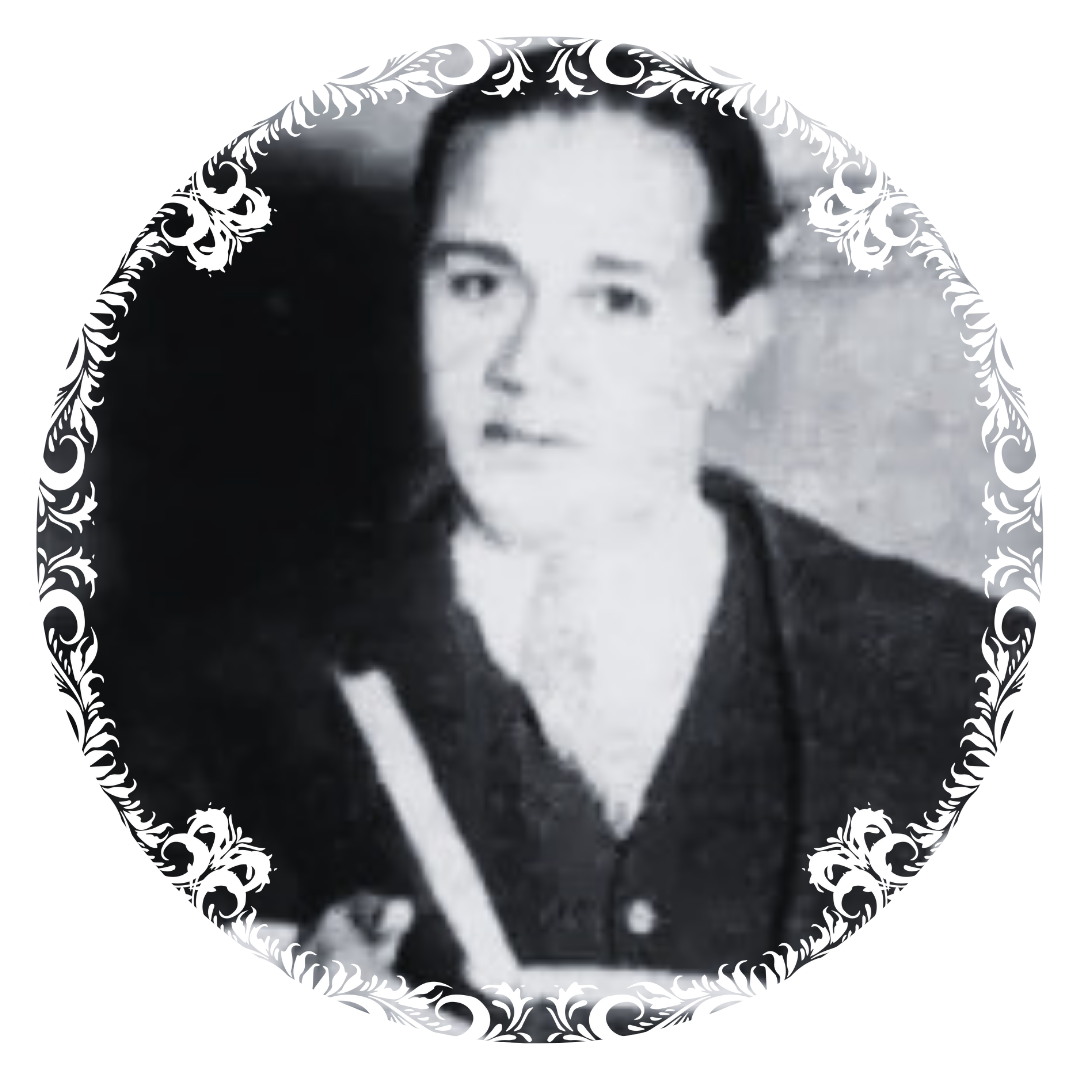
Fuente del retrato
En horizontal ves el original y la traducción.
Elegí tu idioma.
Mano a mano.
Original en español · Traducción en English.
ORIGINAL · ESPAÑOL · 01
TRADUCCIÓN · ENGLISH · 01
ORIGINAL · ESPAÑOL · 02
TRADUCCIÓN · ENGLISH · 02
ORIGINAL · ESPAÑOL · 03
TRADUCCIÓN · ENGLISH · 03
ORIGINAL · ESPAÑOL · 04
TRADUCCIÓN · ENGLISH · 04
ORIGINAL · ESPAÑOL · 05
TRADUCCIÓN · ENGLISH · 05
ORIGINAL · ESPAÑOL · 06
TRADUCCIÓN · ENGLISH · 06
ORIGINAL · ESPAÑOL
«Mano a mano» no se refiere aquí a una pelea, sino a quedar a mano: una cuenta afectiva que el narrador declara saldada. Esa seguridad convive con el dolor y el ofrecimiento final de ayuda.
«Bacana», «morlacos» y «otario» nombran a una mujer que vive con lujo, el dinero y al ingenuo del que otros se aprovechan. El vocabulario convierte el vínculo amoroso en una escena atravesada por el dinero.
«Mate» y «gavión» significan aquí cabeza y amante. El mate lleno de ilusiones no es la bebida: describe lo que ella imagina y cree.
«Mueble viejo» y «jugarse el pellejo» contraponen una imagen cruel de abandono con la promesa de arriesgarse por ella. El cierre permite leer un afecto que no desapareció, aunque el narrador diga estar a mano.
ENGLISH
“Mano a mano” here means being even, not fighting one another: an emotional account the narrator declares settled. That certainty coexists with pain and his final offer of help.
“Bacana”, “morlacos” and “otario” refer to a woman living in luxury, money, and a naive man others exploit. This vocabulary places money at the heart of the love story.
“Mate” and “gavión” here mean head and lover. A mate full of dreams is not the drink: it describes what she imagines and believes.
“Old furniture” and “risking one's skin” set a cruel image of abandonment against a promise to take risks for her. The ending suggests affection remains, even though the narrator claims they are even.
Edición, traducciones y notas culturales: Fórmula Tango — Lucila Cionci & Rodrigo “Joe” Corbata.
RECIBÍ LOS NUEVOS RECURSOS →