
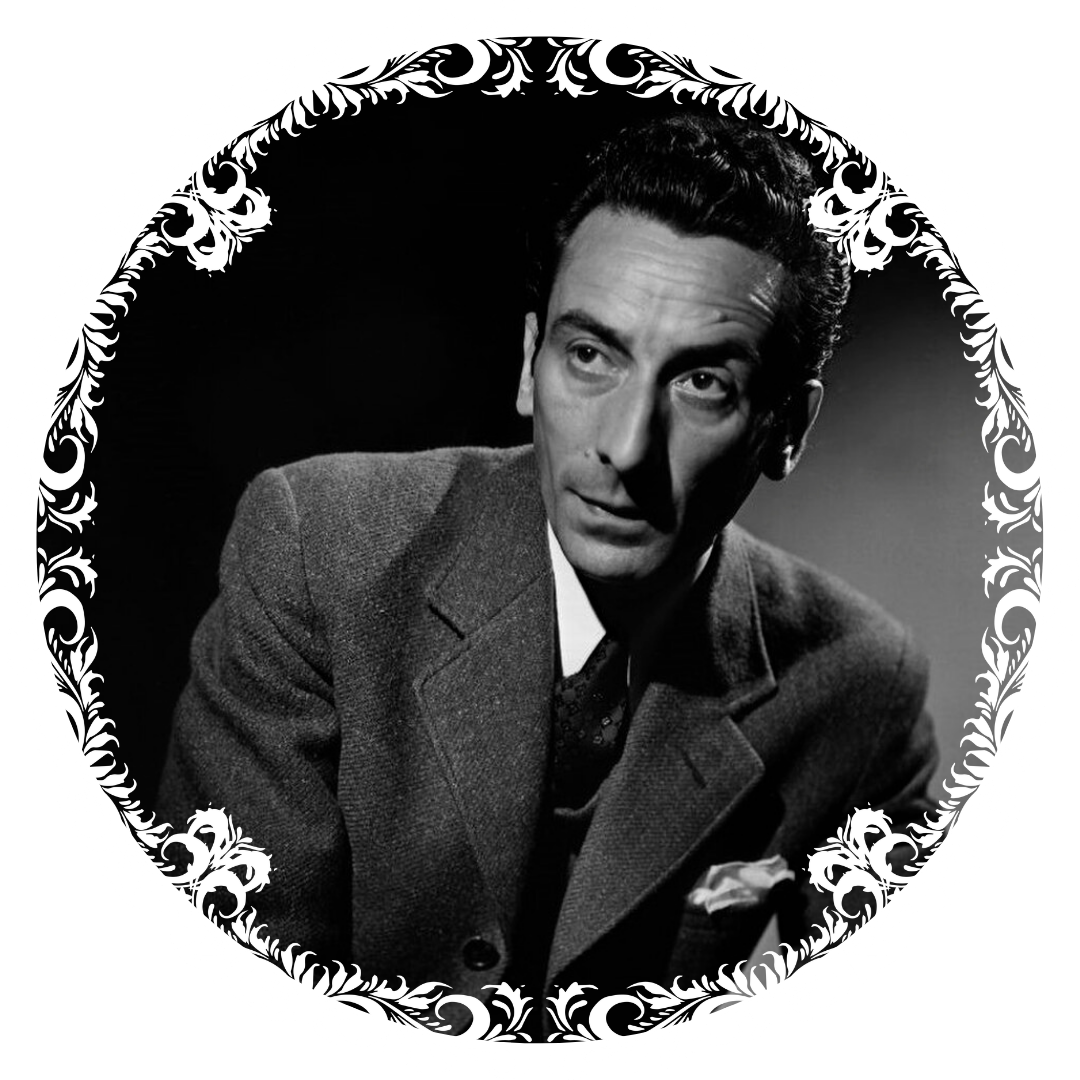
Fuente del retrato
En horizontal ves el original y la traducción.
Elegí tu idioma.
Martirio.
Original en español · Traducción en English.
ORIGINAL · ESPAÑOL · 01
TRADUCCIÓN · ENGLISH · 01
ORIGINAL · ESPAÑOL · 02
TRADUCCIÓN · ENGLISH · 02
ORIGINAL · ESPAÑOL · 03
TRADUCCIÓN · ENGLISH · 03
ORIGINAL · ESPAÑOL
El tiempo de la espera Hoy, mañana y siempre igual construyen un tiempo sin avance. El personaje sabe que la otra persona no vendrá y aun así la espera. La repetición de solo no describe únicamente falta de compañía: presenta una experiencia interior que se vuelve insoportable.
Querer sin comprender La voz no encuentra una razón para su amor y lo imagina como castigo. Repetir vos reduce el deseo a una sola persona. La vergüenza y las burlas agregan una mirada social al sufrimiento: no puede olvidar ni defenderse de sentirse expuesto.
Fiebre, bestia y puñal La pasión toma formas corporales: muerde, hiere, provoca fiebre. La bestia perdida y la falta de manos expresan una lucha sin recursos para protegerse. Las otras vidas son una imagen de fatalidad, no una explicación comprobada del origen de los sentimientos.
La traición de la ausencia El cierre define la traición como no estar. La conciencia reconoce la herida, pero reconocerla no libera al personaje. Volver a hoy y mañana cierra un círculo: el martirio consiste en seguir deseando lo que sabe que no llegará.
ENGLISH
The time of waiting Today, tomorrow and always the same create time without movement. The character knows the other person will not come, yet still waits. Repeating alone describes more than a lack of company: it presents an inward experience becoming unbearable.
Loving without understanding The voice finds no reason for love and imagines it as punishment. Repeating you narrows desire to one person. Shame and mockery add a social gaze to suffering: he cannot forget or protect himself from feeling exposed.
Fever, beast and dagger Passion takes bodily forms: it bites, wounds and causes fever. The lost beast and missing hands express a struggle without means of self-protection. Other lives are an image of fatality, not a verified explanation for where feelings come from.
The betrayal of absence The ending defines betrayal as not being there. Conscience recognizes the wound, but recognition does not free the character. Returning to today and tomorrow closes a circle: the torment is continuing to desire what he knows will never arrive.
Edición, traducciones y notas culturales: Fórmula Tango — Lucila Cionci & Rodrigo “Joe” Corbata.
RECIBÍ LOS NUEVOS RECURSOS →