
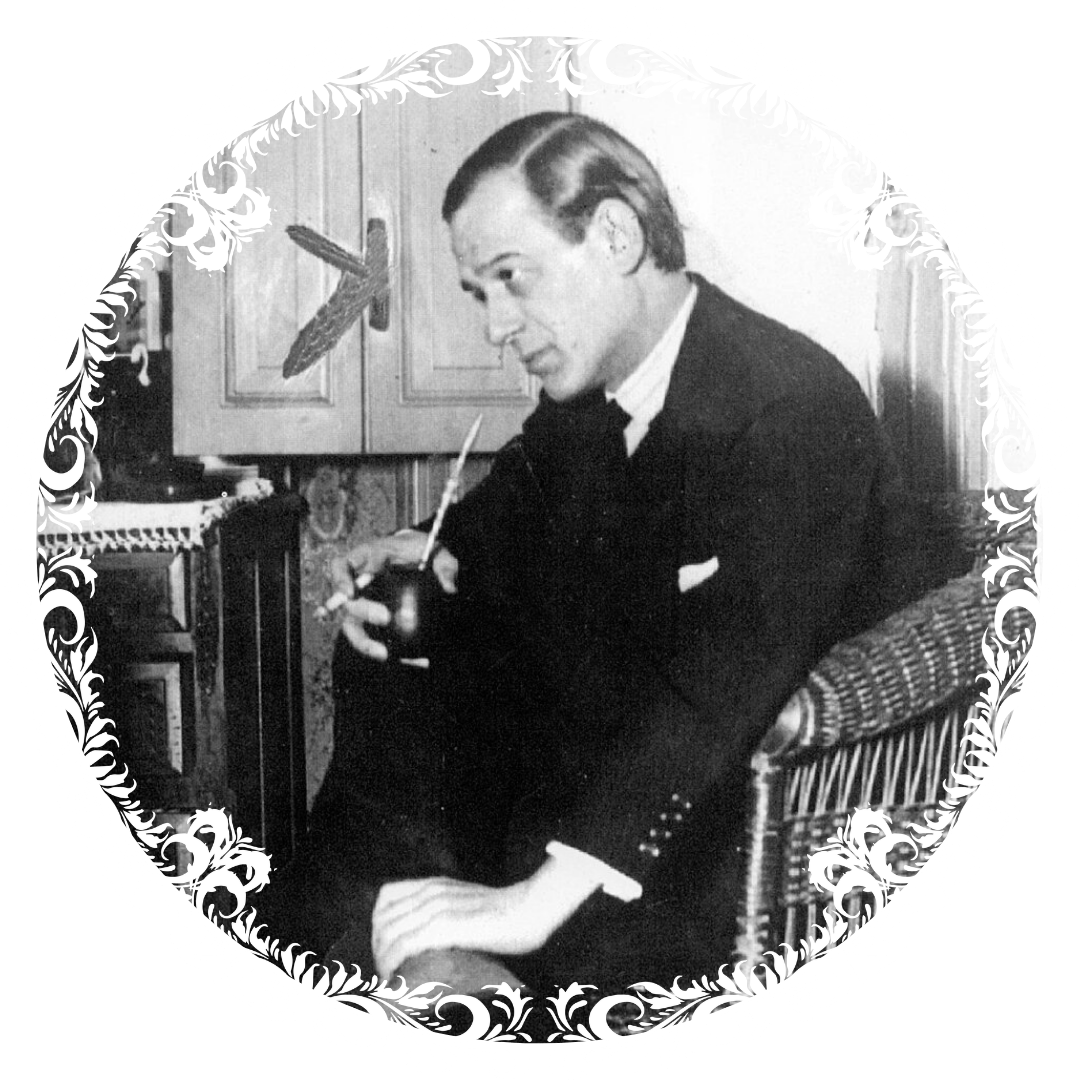
Fuente del retrato
En horizontal ves el original y la traducción.
Elegí tu idioma.
Mi noche triste.
Original en español · Traducción en English.
ORIGINAL · ESPAÑOL · 01
TRADUCCIÓN · ENGLISH · 01
ORIGINAL · ESPAÑOL · 02
TRADUCCIÓN · ENGLISH · 02
ORIGINAL · ESPAÑOL · 03
TRADUCCIÓN · ENGLISH · 03
ORIGINAL · ESPAÑOL · 04
TRADUCCIÓN · ENGLISH · 04
ORIGINAL · ESPAÑOL · 05
TRADUCCIÓN · ENGLISH · 05
ORIGINAL · ESPAÑOL
«Percanta», «amurar» y «encurdelarse» nombran a una mujer, abandonar y emborracharse. «Campanear» es mirar u observar; aquí, detenerse en el retrato de la persona ausente.
«Cotorro», «bulín», «catrera» y «cabrera» los dos primeros nombran la habitación; «catrera» es cama; «cabrera», enojada. La cama, el espejo y la lámpara reciben sentimientos humanos: el cuarto entero participa del abandono.
La puerta y los bizcochitos mantener la puerta abierta y repetir la preparación del mate sostienen la ilusión del regreso. Son pequeños hábitos compartidos que sobreviven a la separación y hacen visible la ausencia.
ENGLISH
“Percanta”, “amurar” and “encurdelarse” mean a woman, to abandon and to get drunk. “Campanear” means to look or observe; here, to linger over the absent person's portrait.
“Cotorro”, “bulín”, “catrera” and “cabrera” the first two mean a room; “catrera” is a bed; “cabrera”, angry. Bed, mirror and lamp receive human feelings: the whole room takes part in the abandonment.
The door and the little biscuits keeping the door open and repeating the preparation of mate sustain the illusion of return. Small shared habits survive separation and make absence visible.
Edición, traducciones y notas culturales: Fórmula Tango — Lucila Cionci & Rodrigo “Joe” Corbata.
RECIBÍ LOS NUEVOS RECURSOS →