
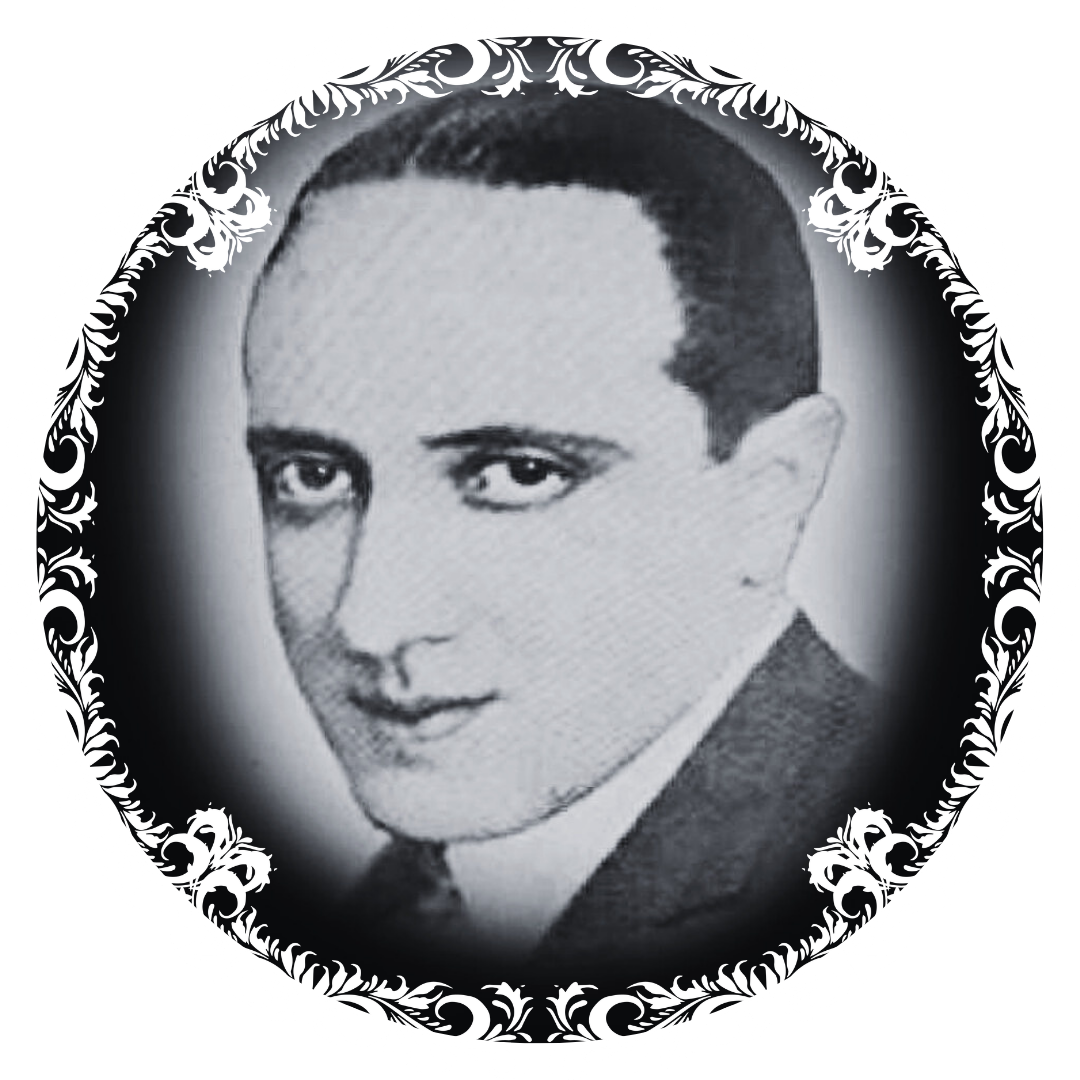
Fuente del retrato
Referencia del artista · Todo Tango ↗En horizontal ves el original y la traducción.
Elegí tu idioma.
Mocosita.
Original en español · Traducción en English.
ORIGINAL · ESPAÑOL · 01
TRADUCCIÓN · ENGLISH · 01
ORIGINAL · ESPAÑOL · 02
TRADUCCIÓN · ENGLISH · 02
ORIGINAL · ESPAÑOL · 03
TRADUCCIÓN · ENGLISH · 03
ORIGINAL · ESPAÑOL
El apodo Mocosita es un diminutivo coloquial dirigido a una muchacha; puede expresar cariño, familiaridad o reproche. No describe aquí una enfermedad. Se conserva como apodo para no imponer una edad precisa ni un equivalente que cambie el vínculo.
Payador, bulín, cotorro y catrera El payador pertenece a la tradición del canto criollo, frecuentemente acompañado de guitarra. Bulín y cotorro son formas populares de nombrar la habitación; catrera, la cama. La guitarra abandonada muestra que también se ha interrumpido su vida musical.
El conventillo El conventillo es una vivienda colectiva con habitaciones alquiladas y espacios compartidos. Su silencio y la llegada de los vecinos vuelven pública una pena inicialmente encerrada en el cuarto. No se trata de un convento religioso.
La repetición y el desenlace El mismo ruego reaparece antes de la muerte, enlazando la canción íntima con la escena final. La letra presenta un desenlace violento, pero no nombra explícitamente a quien dispara. La desesperación del personaje no permite convertir a la mujer ausente en responsable de su muerte.
ENGLISH
The nickname Mocosita is a colloquial diminutive addressed to a young woman; it may convey affection, familiarity or reproach. It does not describe an illness here. The nickname is retained rather than imposing a precise age or changing the relationship.
Payador, bulín, cotorro and catrera A payador belongs to the tradition of regional folk singing, often accompanied by guitar. Bulín and cotorro are popular terms for a room; catrera means a bed. The abandoned guitar shows that his musical life has also stopped.
The conventillo A conventillo is shared housing with rented rooms and communal spaces. Its silence and the neighbors’ arrival make public a sorrow initially confined to the room. It is not a religious convent.
Repetition and the ending The same plea returns before death, connecting the private song with the final scene. The lyrics portray a violent ending but do not explicitly name whoever fires the shot. The character’s despair does not make the absent woman responsible for his death.
Edición, traducciones y notas culturales: Fórmula Tango — Lucila Cionci & Rodrigo “Joe” Corbata.
RECIBÍ LOS NUEVOS RECURSOS →