
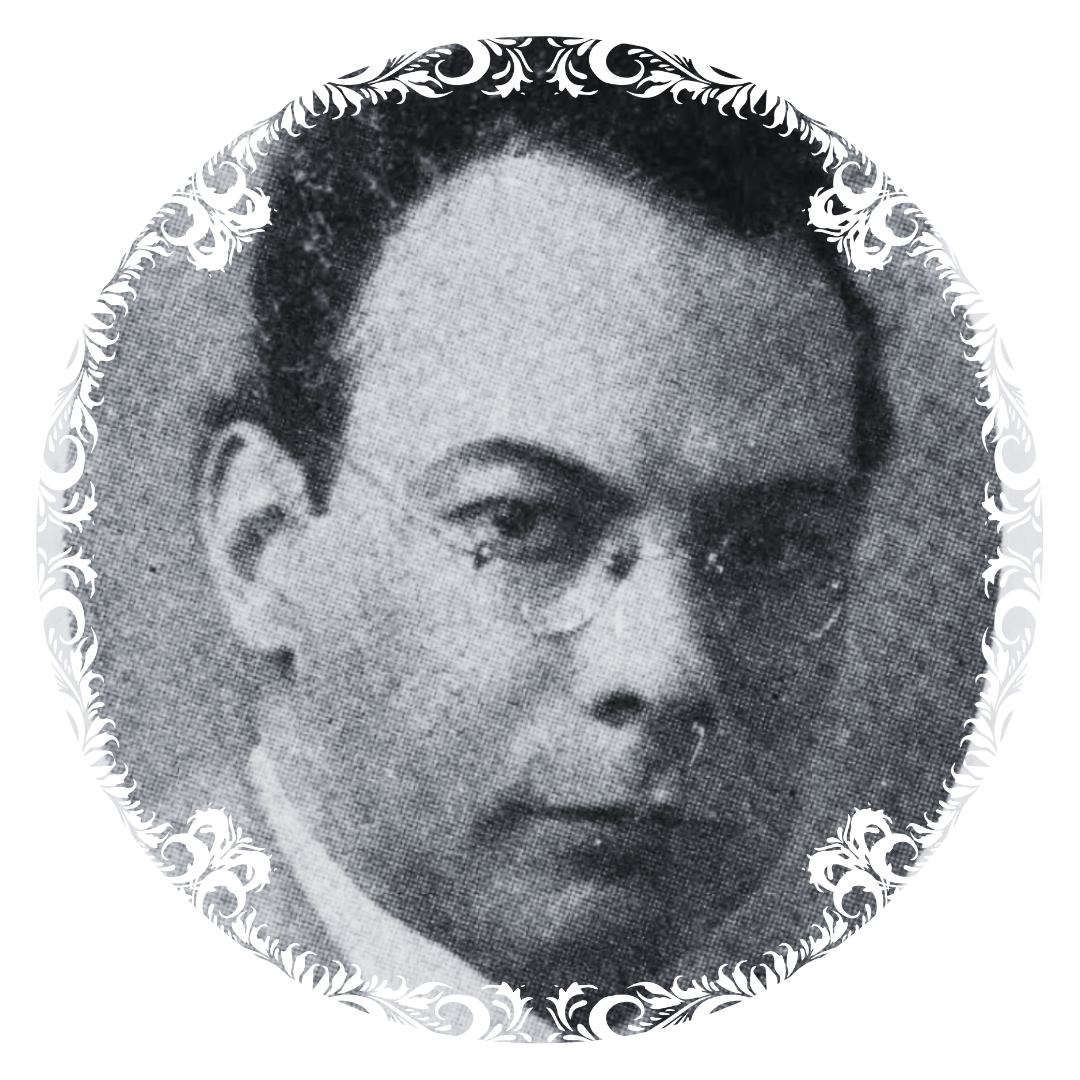
Fuente del retrato
En horizontal ves el original y la traducción.
Elegí tu idioma.
Silbando.
Original en español · Traducción en English.
ORIGINAL · ESPAÑOL · 01
TRADUCCIÓN · ENGLISH · 01
ORIGINAL · ESPAÑOL · 02
TRADUCCIÓN · ENGLISH · 02
ORIGINAL · ESPAÑOL · 03
TRADUCCIÓN · ENGLISH · 03
ORIGINAL · ESPAÑOL · 04
TRADUCCIÓN · ENGLISH · 04
ORIGINAL · ESPAÑOL
Barracas al Sud y el Dock Barracas al Sud es el antiguo nombre de la actual Avellaneda, al sur del Riachuelo. No debe confundirse con Barracas, barrio de Buenos Aires. El Dock y el barco italiano sitúan la escena en un entorno portuario donde la distancia también se escucha.
Zaguán, reo y facón Zaguán es la entrada de una casa; galán, el enamorado de la escena. Reo tiene aquí un matiz de hombre de la calle, sin que el texto pruebe una condena judicial. Facón es un cuchillo grande: el destello breve anuncia una violencia irreversible.
Un paisaje de sonidos El barco canta, el perro aúlla, el acordeón gime y un hombre silba. La repetición del eco crea continuidad entre la escena amorosa y el ataque. La música no detiene la tragedia: la rodea y conserva su emoción después del grito.
La sombra y la milonga La descripción deja en sombra quién recibe el tajo fatal. No conviene completar esa ambigüedad con una víctima inventada. El agresor aparece ligado al relato de una traición; eso explica la situación del personaje, sin justificar el ataque. El final convierte la emoción en canto colectivo.
ENGLISH
Barracas al Sud and the Dock Barracas al Sud is the old name of present-day Avellaneda, south of the Riachuelo. It should not be confused with Buenos Aires’s Barracas neighborhood. The Dock and Italian ship place the scene in a port setting where distance can also be heard.
Zaguán, reo and facón Zaguán means a house entrance; galán is the scene’s lover. Reo here suggests a streetwise man, without the text proving a criminal conviction. Facón is a large knife: its brief flash announces irreversible violence.
A landscape of sounds The ship sings, the dog howls, the accordion moans and a man whistles. The recurring echo connects the love scene to the attack. Music does not stop the tragedy: it surrounds it and preserves its emotion after the cry.
Shadow and milonga The description leaves the victim of the fatal slash in shadow. We should not fill that ambiguity with an invented victim. The attacker is connected to an account of betrayal; that explains his situation without justifying the attack. The ending turns emotion into a collective song.
Edición, traducciones y notas culturales: Fórmula Tango — Lucila Cionci & Rodrigo “Joe” Corbata.
RECIBÍ LOS NUEVOS RECURSOS →