
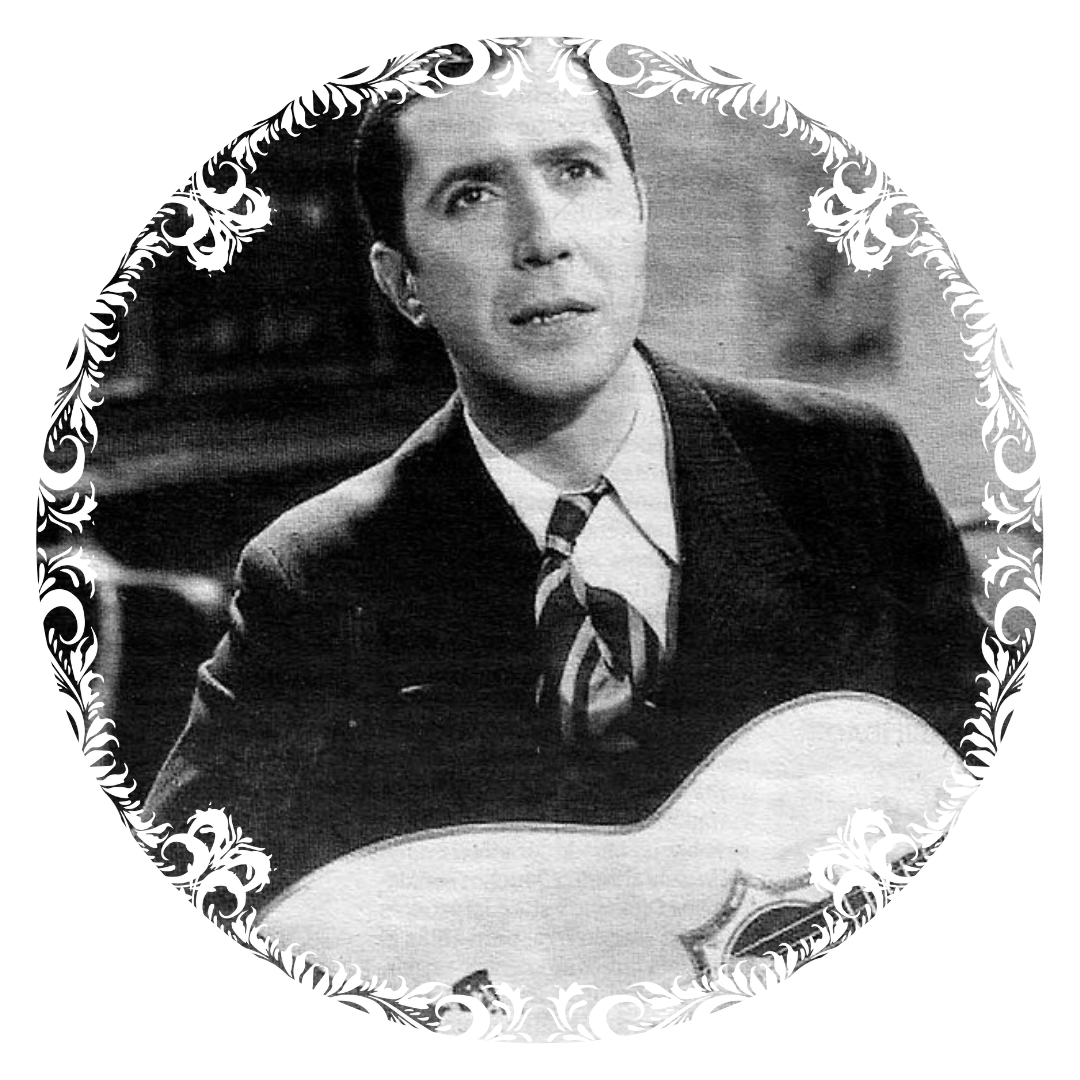
Fuente del retrato
En horizontal ves el original y la traducción.
Elegí tu idioma.
Sus ojos se cerraron.
Original en español · Traducción en English.
ORIGINAL · ESPAÑOL · 01
TRADUCCIÓN · ENGLISH · 01
ORIGINAL · ESPAÑOL · 02
TRADUCCIÓN · ENGLISH · 02
ORIGINAL · ESPAÑOL · 03
TRADUCCIÓN · ENGLISH · 03
ORIGINAL · ESPAÑOL
Una pérdida que se oye La muerte se expresa primero como desaparición de la voz, la risa y los besos. El mundo sigue andando mientras la experiencia íntima se detiene. Las manos recuerdan el cuidado recibido; el silencio hace sensible la ausencia de quien ya no puede responder.
Las lágrimas pensadas No poder llorar no significa sentir menos: la voz desea el alivio del llanto y no lo consigue. Quebranto reúne dolor y abatimiento. La letra distingue la pena interior de su manifestación visible y presenta el duelo como una experiencia que desborda al cuerpo.
Alas, garras y destino Las alas sugieren una vida vulnerable que el personaje quiso proteger. La muerte vence ese intento; luego el dolor se vuelve un animal con garras y las penas, perros de presa. El destino acecha incluso dentro de la mirada buena: los sentimientos reciben cuerpos y acciones.
El carnaval del mundo El carnaval representa una alegría colectiva que continúa frente al dolor privado. La limosna de alivio expresa cómo el personaje recibe los consuelos ajenos: los siente insuficientes o falsos. No es una afirmación de que toda ayuda sea inútil, sino la voz de un corazón aislado en ese instante.
ENGLISH
A loss heard in sound Death first appears as the disappearance of voice, laughter and kisses. The world keeps moving while intimate experience stops. The hands recall the care he received; silence makes tangible the absence of someone who can no longer answer.
The imagined tears Being unable to weep does not mean feeling less: the speaker longs for the relief of tears but cannot find it. Quebranto combines grief and dejection. The lyrics distinguish inward sorrow from its visible expression and present mourning as an experience that overwhelms the body.
Wings, claws and fate The wings suggest a vulnerable life the character tried to protect. Death defeats that attempt; sorrow then becomes an animal with claws, and troubles become hunting dogs. Fate lurks even within the gentle gaze: feelings acquire bodies and actions.
The carnival of the world Carnival represents a collective joy that continues in the face of private pain. The “alms of relief” convey how the character receives other people’s consolation: he feels it is insufficient or false. This does not assert that all help is useless; it is the voice of a heart isolated in that moment.
Edición, traducciones y notas culturales: Fórmula Tango — Lucila Cionci & Rodrigo “Joe” Corbata.
RECIBÍ LOS NUEVOS RECURSOS →